What Is Aha In Skincare
📖 Table of Contents
A few years ago, I walked into a skincare clinic with red, flaky cheeks and a desperate hope that something—anything—would help. The esthetician asked me if I’d ever heard of AHA, and I laughed. I didn’t know what it was, or why it mattered. But a few weeks later, after a few targeted treatments, I looked in the mirror and saw skin I hadn’t seen in years: smooth, even, and glowing. That’s when I started learning about AHA in skincare, and how it can transform your routine.
The word ‘AHA’ doesn’t ring a bell for many of us, but it’s a game-changer in the world of skincare. I remember the first time I used a product with AHA—my skin felt like it was melting, but in the best possible way. It was a sensation I’d never experienced before, and I felt like I was on the brink of something new. My skin was shedding dead cells, revealing the fresh, vibrant layer underneath. That’s when I realized: AHA in skincare isn’t just a buzzword—it’s a real, tangible, and transformative tool.
I used to think skincare was about picking the right face wash and moisturizer. But now I know that AHA, with its unique ability to exfoliate and brighten, is a cornerstone of any effective routine. I’ve tried so many products, and the ones with AHA always seem to deliver results faster and more consistently. It’s become a non-negotiable step in my skincare regimen, and I can’t imagine going back to the days without it.
Why You'll Love This Skincare Routine
- Experience smoother, more radiant skin in just a few weeks.
- Enjoy a cost-effective way to maintain skin health with affordable AHA products.
- Tailor your routine with a variety of AHA-based products to suit your needs.
- Reveal your skin's natural luminosity with consistent use.
What Exactly Is AHA in Skincare?
As of September 2026, AHA is derived from natural sources like fruits and milk, and it works by dissolving the bonds between dead skin cells. This allows them to slough off easily, revealing fresh, healthy skin underneath. I first encountered AHA in a glycolic acid serum, and it was like a revelation. My skin felt instantly smoother, and over time, it looked brighter and more even.
The most common AHAs in skincare are glycolic acid, lactic acid, and mandelic acid. Each has a different molecular size and strength, which means they work differently on the skin. For example, glycolic acid is smaller and more potent, while lactic acid is gentler and better for sensitive skin. I’ve found that lactic acid works wonders for my dry, sensitive patches, while glycolic acid is perfect for my oily T-zone.
Using AHA regularly can significantly improve skin texture, reduce the appearance of fine lines, and even out skin tone. I started with a 10% lactic acid cream, and after four weeks of use, I noticed a visible difference in my skin’s smoothness and brightness. It’s no wonder AHA has become a staple in so many skincare routines.[1]
Before applying AHA to your entire face, do a patch test on a small area of skin to see how it reacts. This helps prevent irritation and allows you to adjust your routine as needed.
Part of our Hypoallergenic skincare products ideas guide.
How AHA Works on the Skin
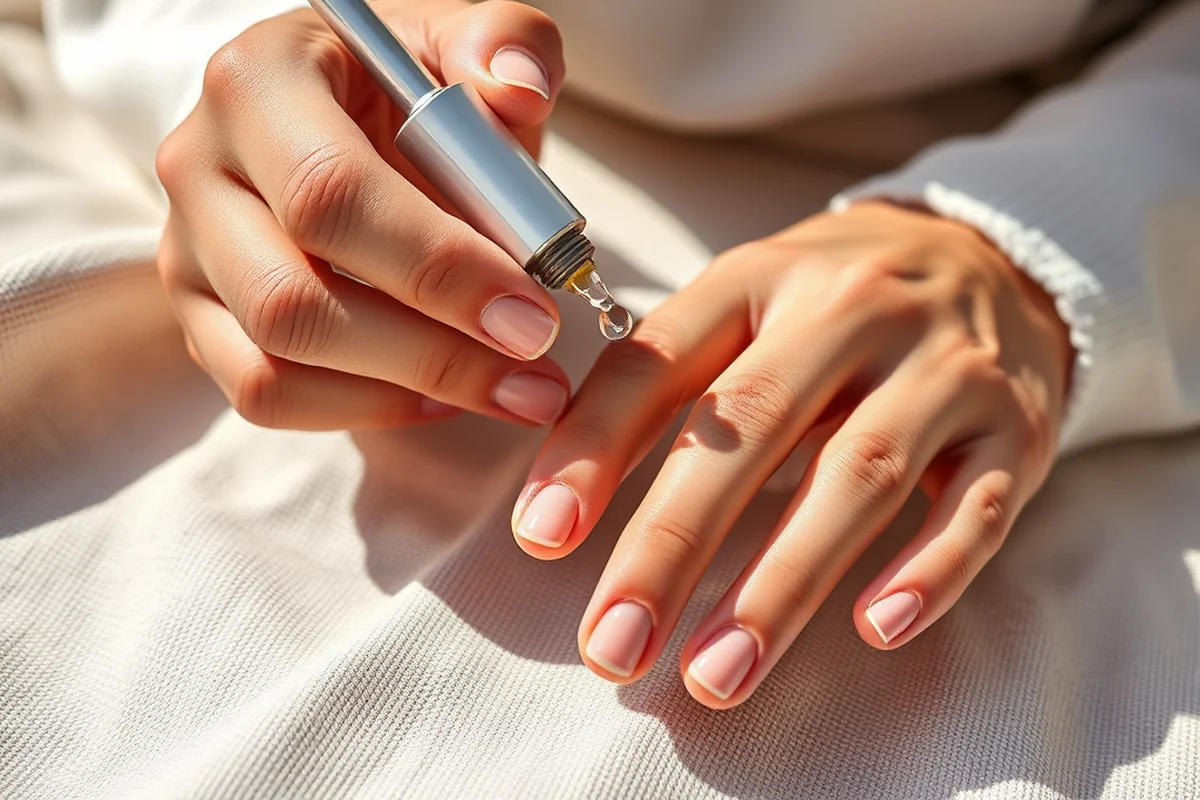
AHA works by dissolving the intercellular 'glue' that holds dead skin cells together. This process, called exfoliation, helps remove buildup on the skin's surface, revealing the fresh, healthy layer underneath. I used to think exfoliation was just about scrubbing, but AHA is a chemical exfoliant that works from the inside out. It’s like a gentle, invisible brush for your skin.
Unlike physical exfoliants, which can be harsh and abrasive, AHA is a chemical exfoliant that works at the molecular level. It doesn’t scratch or rub your skin, making it a safer option for sensitive or acne-prone skin. I found that using AHA in the form of a toner helped even out my skin tone and reduce the appearance of dark spots.
The benefits of AHA go beyond just exfoliation. It also helps increase hydration by improving the skin's ability to retain moisture. I’ve used a AHA-infused moisturizer, and it’s made my skin feel more plump and supple. It’s amazing how something so simple can have such a profound effect.
AHA is like a gentle, invisible brush for your skin.
Related: Sonsie skin care
Related: Affordable hypoallergenic skincare products
The Benefits of Using AHA in Skincare
One of the most noticeable benefits of using AHA is the way it smooths and evens out the skin’s texture. It helps reduce the appearance of rough patches and makes the skin feel softer to the touch. I used an AHA serum in the evenings, and within a few weeks, my skin felt noticeably smoother and more even.
Another key benefit of AHA is its ability to brighten the skin. It helps reduce the appearance of hyperpigmentation and dark spots, leaving the skin with a more even, radiant tone. I used a AHA-based vitamin C serum, and it made my skin look more luminous and healthy. It was like a glow-up I hadn’t expected.
In addition to improving texture and brightness, AHA also helps reduce the appearance of fine lines and wrinkles. It stimulates collagen production, which is essential for maintaining skin elasticity. I noticed a visible improvement in the firmness of my skin after a few weeks of consistent use.
AHA is best used at night because it can increase the skin's sensitivity to the sun. Applying it in the evening allows your skin to recover and repair overnight without sun exposure.
“A few years ago, I walked into a skincare clinic with red, flaky cheeks and a desperate hope that something—anything—would help.”— Hypoallergenic Skincare for Young Adults editors
How to Choose the Right AHA Product for You
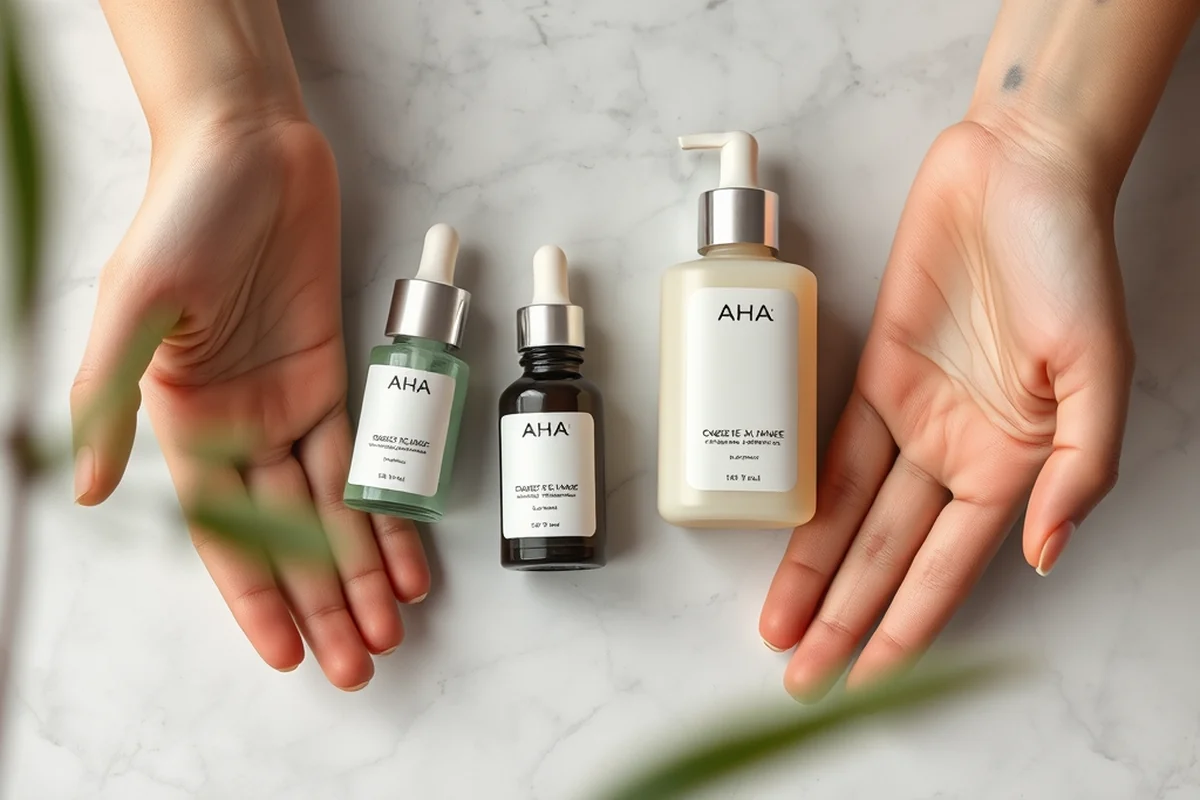
If you have sensitive skin, you may want to start with a lower concentration of AHA, such as 5% or 10%. I tried a 10% lactic acid cream and found it to be gentle enough for my sensitive skin while still delivering visible results. It’s important to read the labels and look for products that are suitable for your skin type.[2]
For oily or acne-prone skin, a higher concentration of AHA, such as 15% or 20%, may be more effective. I used a 20% glycolic acid peel once a week, and it helped reduce the appearance of blackheads and unclogged my pores. However, it’s important to start slow and monitor how your skin reacts.
If you’re looking for a more gentle option, you might want to try an AHA product with a lower pH, as this makes it more effective without being too harsh. I found that a pH 3.5 AHA toner worked well for me, providing visible results without causing irritation.
How to Incorporate AHA Into Your Skincare Routine
I usually start with using an AHA product once or twice a week, depending on how my skin reacts. It’s important to give your skin time to adjust and avoid over-exfoliating, which can lead to irritation. I found that using an AHA serum two times a week was enough to see results without causing any redness or sensitivity.
After applying AHA, I follow up with a hydrating moisturizer and a broad-spectrum sunscreen during the day. This helps protect my skin from sun damage and maintains its hydration levels. I’ve noticed that my skin feels more balanced and less reactive after using AHA consistently.
It’s also important to patch test AHA products before applying them to your entire face. I always do a small patch test on my jawline or behind my ear before using a new AHA product. This helps me determine if my skin will react positively or if I need to adjust the concentration or frequency of use.
Real Results from Using AHA
I’ve spoken with several friends who have used AHA in their skincare routines, and they’ve all reported positive changes. One of them used a 15% glycolic acid peel once a week and saw a noticeable improvement in her skin’s texture and brightness. She said it felt like a complete transformation.
Another friend of mine used a lactic acid cream twice a week and noticed a significant improvement in her skin’s hydration and smoothness. She said her skin felt more supple and looked more even in tone. It’s amazing how something as simple as AHA can have such a profound effect.
I’ve also noticed that my skin looks and feels healthier after using AHA consistently. My skin is less oily, and I’ve noticed a reduction in the appearance of fine lines. It’s not just about looking better—it’s about feeling better in my own skin.
Consistency is key when using AHA for real results.
The Science Behind AHA in Skincare
AHA works by breaking down the bonds between dead skin cells, which allows them to slough off more easily. This process, called exfoliation, helps reveal fresh, healthy skin and promotes cell turnover. I’ve always been fascinated by how AHA interacts with the skin on a molecular level, and it’s amazing to see the results it can deliver.
In addition to exfoliating, AHA also helps improve the skin’s ability to retain moisture. This is especially beneficial for those with dry or dehydrated skin. I’ve used an AHA-infused moisturizer, and it’s made my skin feel more plump and supple. It’s incredible how a single ingredient can have such a transformative effect.
The science behind AHA is fascinating, and it’s no wonder why it’s a staple in so many skincare routines. It’s a powerful tool that can improve the texture, brightness, and overall health of your skin. Whether you have sensitive skin or oily skin, there’s an AHA product that can work for you.
🌸 Sensitive Skin
For those with sensitive skin, use a low concentration AHA product, such as 5% lactic acid, and apply it once or twice a week for gentle exfoliation.
💰 Budget-Friendly
Opt for affordable AHA products like a 10% lactic acid cream, which can be found for around $28 and still deliver visible results.
✨ Minimalist Routine
Incorporate AHA into your minimalist routine with a simple AHA serum and a hydrating moisturizer, using it two times a week for optimal results.
🎯 Targeted Treatment
Use a high-concentration AHA product, such as a 20% glycolic acid peel, once a week for more intensive exfoliation and skin renewal.
🔄 Maintenance Routine
For long-term maintenance, use a mild AHA product, like a 10% lactic acid toner, three times a week to keep your skin smooth and even.
| The mistake | Why it happens | The fix |
|---|---|---|
| Using AHA every day without giving your skin time to adjust. | Using AHA every day can lead to irritation and dryness, especially for those with sensitive or dry skin. | Start with using AHA once or twice a week and gradually increase frequency as your skin adjusts. |
| Skipping moisturizer after using AHA. | AHA can strip the skin of its natural oils, leading to dryness and irritation if not followed by a hydrating moisturizer. | Always follow up with a hydrating moisturizer to replenish the skin’s natural oils and maintain hydration. |
| Using a high concentration of AHA without patch testing. | Using a high concentration of AHA without patch testing can lead to irritation or an adverse reaction on the skin. | Always do a patch test on a small area of skin before applying AHA to your entire face. |
| Using AHA without proper sun protection. | AHA can increase the skin’s sensitivity to the sun, making it more prone to sun damage and irritation. | Always use a broad-spectrum sunscreen during the day when using AHA to protect your skin from sun damage. |
What Is Aha In Skincare
Common Questions
What concentration of AHA is best for sensitive skin?
How often should I use AHA in my skincare routine?
Can AHA help with acne-prone skin?
Is AHA safe to use during the day?
References
- NCT06010745 | Effectiveness of a Novel Dietary Ingredient on Hair ... (clinicaltrials.gov)
- View TXT in new window - Congress.gov (congress.gov)
Cite this guide
Hypoallergenic Skincare for Young Adults (2026). What Is Aha In Skincare. https://skincertainty.com/what-is-aha-in-skincare/
Feel free to cite or share this guide.