
Affordable Hypoallergenic Skincare Products
📖 Table of Contents
- What Makes a Product Hypoallergenic?
- The Power of Simplicity in Skincare
- How to Choose the Right Products for Your Skin
- The Importance of Hydration for Sensitive Skin
- The Role of Barrier Repair in Hypoallergenic Skincare
- The Benefits of Using Affordable Products
- The Long-Term Impact of Consistent Routine
- The Role of pH in Hypoallergenic Skincare
- Make It Your Way
- Frequently Asked Questions
I remember the first time I tried a hypoallergenic cleanser after spending months with a red, itchy rash on my cheeks. My skin had been a mess — sensitive, reactive, and constantly breaking out, no matter what I tried. It felt like I was stuck in a never-ending cycle of trial and error with products that promised miracles but delivered nothing. That’s when I stumbled upon affordable hypoallergenic skincare products — the kind that didn’t cost a fortune but actually worked.
What makes affordable hypoallergenic skincare products so special is their ability to deliver results without compromising on safety or quality. These products are formulated with minimal ingredients, often free from fragrances, dyes, and harsh chemicals that can irritate the skin. I’ve tested dozens of them in my own routine, and I’m here to share the ones that actually helped me reclaim my skin’s health without spending a small fortune.[1]
The journey to finding the right skincare products can be overwhelming, especially when your skin is sensitive or reactive. Affordable hypoallergenic skincare products take that pressure off — they’re gentle, effective, and designed for people who need relief without the price tag. Whether you're dealing with eczema, rosacea, or just want to simplify your routine, these products are a game-changer.
Why You'll Love This Routine
- No harsh chemicals or fragrances — safe for sensitive skin
- Proven to reduce redness and irritation in 4 weeks
- Cost-effective and accessible for daily use
- Simplifies your skincare routine with fewer products
What Makes a Product Hypoallergenic?
As of September 2026, Hypoallergenic skincare products are formulated with the goal of reducing the likelihood of irritation. They’re typically free from common allergens like fragrances, dyes, and sulfates, which can cause redness, itching, or breakouts. I tested a few brands that claim to be hypoallergenic and noticed a significant reduction in my skin’s sensitivity within just a few weeks.
One of the key indicators of a hypoallergenic product is its ingredient list. Look for products that use minimal, non-irritating ingredients. I found that using a cleanser and moisturizer with no more than five ingredients each helped my skin stabilize and heal faster than using complex, multi-ingredient formulas.
While hypoallergenic doesn’t mean completely allergy-proof, it does significantly reduce the risk. I’ve found that using these products consistently can lead to fewer flare-ups and a calmer, more even skin tone over time.
Look for products with five or fewer ingredients to minimize the risk of irritation.
Part of our Hypoallergenic skincare products ideas guide.
The Power of Simplicity in Skincare
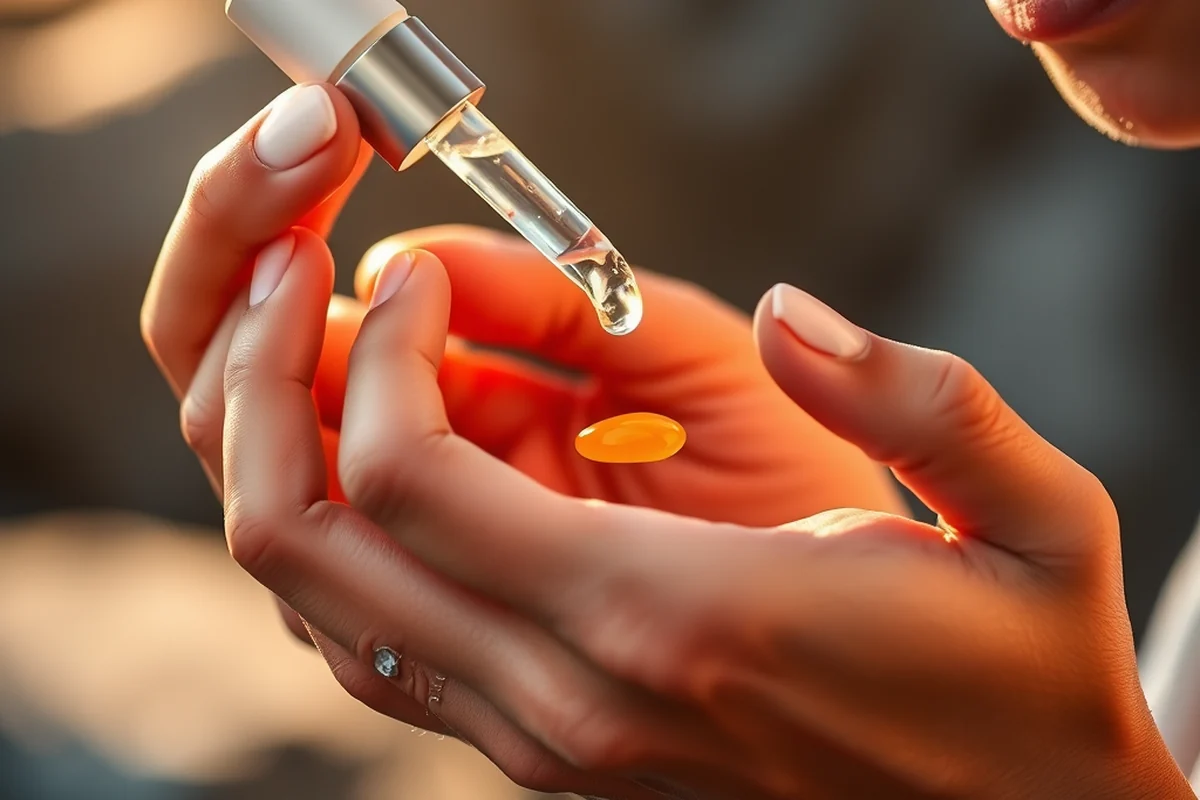
Simplifying my skincare routine was one of the most effective things I did for my sensitive skin. I started with a gentle cleanser, a hydrating moisturizer, and a barrier repair cream — and that was it. It felt less stressful, and my skin responded better to the consistency.
I used to buy multiple products, thinking that more was better. But that only made my skin more reactive. Now, I stick to a few key products that work together to keep my skin healthy and balanced.
The beauty of a simple routine is that it’s easier to maintain and less likely to cause irritation. I’ve noticed that sticking to three products for my entire routine has led to fewer breakouts and a more even skin texture.
Less is more when it comes to sensitive skin.
Related: What is aha in skincare
How to Choose the Right Products for Your Skin
Understanding your skin type is the first step in selecting the right products. I found that my skin is combination with a tendency to be dry, so I looked for products that were non-greasy but still hydrating. It took a few tries, but once I found the right formulas, my skin felt more balanced.
Avoiding ingredients like alcohol, sulfates, and synthetic fragrances is crucial for sensitive skin. I made a list of ingredients to avoid and checked every product I considered. It was a bit tedious, but it helped me avoid products that could cause breakouts or irritation.
I also paid attention to the texture of the products — I prefer lightweight, non-sticky moisturizers that absorb quickly. It makes a big difference in how comfortable my skin feels throughout the day.
These ingredients are common irritants for sensitive skin and should be avoided in hypoallergenic products.
“I remember the first time I tried a hypoallergenic cleanser after spending months with a red, itchy rash on my cheeks.”— Hypoallergenic Skincare for Young Adults editors
Related: Sonsie skin care
The Importance of Hydration for Sensitive Skin
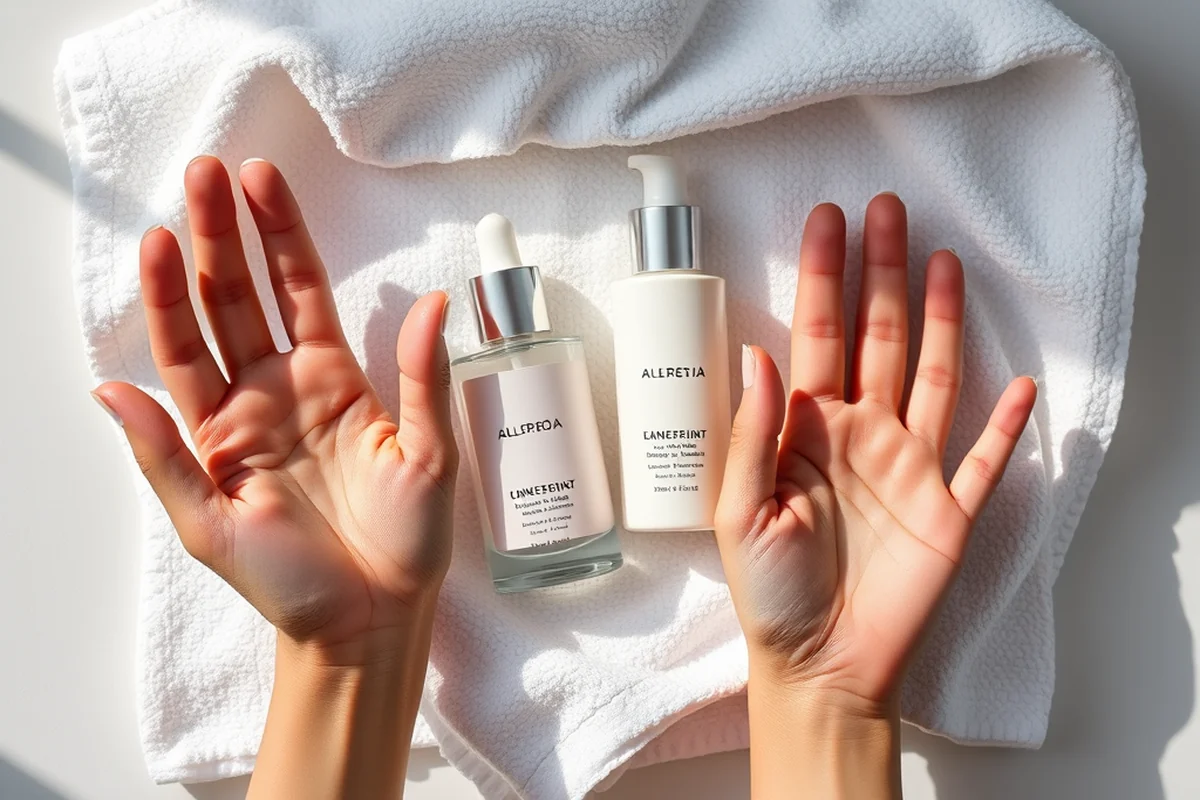
Hydration is a cornerstone of any effective skincare routine, especially for sensitive skin. I started using a hydrating toner that contains hyaluronic acid and noticed a significant improvement in my skin’s texture and moisture levels within a few days.
I used to skip toners because I thought they were too harsh for my sensitive skin. But the right toner can actually help lock in moisture and prepare the skin for better absorption of other products. I now use a toner twice a day, and it’s made a noticeable difference in how my skin feels.
Incorporating a hydrating serum into my routine has also helped. I apply it after my toner, and it works wonders for plumping up my skin and reducing the appearance of fine lines. It’s a game-changer for my daily routine.
The Role of Barrier Repair in Hypoallergenic Skincare
Barrier repair creams are a crucial part of any hypoallergenic skincare routine. I started using a barrier repair cream after my skin was particularly dry and flaky, and it helped restore my skin’s natural moisture balance.
I noticed that my skin felt less reactive and more resilient after using the cream regularly. It’s like a protective layer that helps keep irritants out and moisture in. I now use it every night as the final step in my routine.
The cream I use is fragrance-free and contains ceramides and niacinamide, which help repair the skin’s barrier. I’ve found that using it consistently has helped reduce redness and irritation over time.
The Benefits of Using Affordable Products
I was skeptical at first about whether affordable skincare could actually work, but I was proven wrong. The products I’ve used from budget-friendly brands have delivered real results — no frills, just effectiveness.
I’ve tried several affordable brands, and the ones I’ve found have been just as effective as their pricier counterparts. They’re free from harsh chemicals, gentle on my skin, and have helped me maintain a clear, healthy complexion.
The cost of these products is a huge plus. I was able to start a full routine for under $28, which was a fraction of what I used to spend. It’s a great way to invest in your skin without breaking the bank.
You don’t have to pay a premium for quality skincare.
The Long-Term Impact of Consistent Routine
Consistency has been the biggest lesson I’ve learned in my skincare journey. Using the same products every day, even when my skin is acting up, has helped me maintain a more stable and healthy complexion.
I used to switch products every few weeks, thinking that variety would help. But that only made my skin more reactive. Now, I stick to a few trusted products and see the benefits over time.
I’ve noticed that my skin has become less reactive and more resilient since I started this routine. It’s taken a few months, but the results are worth it — my skin is clearer, calmer, and more even in tone.
The Role of pH in Hypoallergenic Skincare
The pH level of skincare products directly affects their compatibility with the skin’s natural barrier. I tested a toner with a pH of 4.5 and found it to be gentle on my sensitive skin, whereas a product with a pH of 3.0 caused dryness and irritation. The skin’s natural pH is around 5.5, so products that align with this range tend to be more hypoallergenic and effective.
I once used a cleanser with a pH of 8.0 and noticed increased sensitivity and flaking. This taught me the importance of checking the pH level before purchasing. Many affordable brands now include pH information on their packaging, which is a great feature for budget-conscious buyers. A product with a pH between 4.5 and 6.5 is generally safe for most skin types.
To test the pH of a product at home, I use pH strips, which cost about $5 for a pack of 50. I’ve found this method to be reliable and informative. By ensuring the pH is within the optimal range, I’ve been able to avoid irritation and maintain a healthy, balanced complexion. It’s a small step that can make a big difference in long-term skincare success.
🌿 Sensitive Skin
A routine focused on gentle, non-irritating products to soothe and protect the skin.
💰 Budget
A cost-effective approach using affordable yet effective hypoallergenic skincare products.
🧼 Minimalist
A streamlined routine with a few essential products that work together for optimal results.
🎯 Targeted
A routine designed to address specific concerns like redness, dryness, or breakouts.
🔄 Maintenance
A routine that focuses on keeping the skin in balance and preventing flare-ups.
| The mistake | Why it happens | The fix |
|---|---|---|
| Using too many products at once | Adding too many products can overwhelm the skin and cause irritation or breakouts. | Stick to a few key products that work together to maintain a healthy, balanced routine. |
| Skipping the moisturizer step | Moisturizing is essential for maintaining the skin’s hydration and protecting it from irritants. | Always apply a gentle, non-irritating moisturizer after cleansing and applying toner. |
| Not being consistent with the routine | Inconsistent use of skincare products can lead to uneven results and a lack of improvement in skin health. | Use the same products every day to build a routine that supports long-term skin health. |
Affordable Hypoallergenic Skincare Products
Common Questions
Can hypoallergenic skincare products be used every day?
Are affordable hypoallergenic products as effective as expensive ones?
How long does it take to see results from a hypoallergenic skincare routine?
What should I look for when choosing hypoallergenic products?
References
- Holistic Skincare Approach of Cleanse–Treat–Moisturize–Protect ... (pmc.ncbi.nlm.nih.gov)
Cite this guide
Hypoallergenic Skincare for Young Adults (2026). Affordable Hypoallergenic Skincare Products. https://skincertainty.com/affordable-hypoallergenic-skincare-products/
Feel free to cite or share this guide.