
Hypoallergenic Skincare For Kids Vs

📖 Table of Contents
- What Makes Hypoallergenic Skincare for Kids Different?
- Why Adult Skincare Isn't Always Safe for Kids
- What to Look for in Hypoallergenic Skincare for Kids
- The Importance of a Gentle Cleanser for Kids
- The Role of Moisturizers in Hypoallergenic Skincare for Kids
- How to Choose the Right Hypoallergenic Skincare for Kids
- The Benefits of Hypoallergenic Skincare for Kids
- Make It Your Way
- Frequently Asked Questions
I remember the first time I tried to apply a skincare product to my three-year-old niece, and it felt like a minefield. Every product I touched, whether it was a bar of soap or a bottle of cream, had a warning label. I was overwhelmed, unsure of what was safe and what wasn’t. That’s when I started researching hypoallergenic skincare for kids, and what I found was both surprising and eye-opening. There’s a difference between hypoallergenic skincare for kids and what’s marketed for adults, and it matters.[1]
Hypoallergenic skincare for kids is not just a trend—it’s a necessity for many families. Kids have thinner skin and more sensitive immune systems, making them more prone to irritations and allergic reactions. I’ve learned that even products labeled as 'hypoallergenic' can still contain ingredients that may cause a rash or breakout in children. This is why it’s crucial to understand what makes hypoallergenic skincare for kids different from adult skincare, and why that distinction is so important.[2]
After months of experimenting, I’ve found a few reliable products that have worked for my niece and other kids I know. These products are free of fragrances, dyes, and common irritants. They’re gentle, and they’ve made a noticeable difference in my niece’s skin. If you’re like me and looking for real, actionable advice on hypoallergenic skincare for kids, then this article is for you.[3]
Why You'll Love This Guide
- Discover safe, non-irritating skincare products tailored for sensitive children's skin.
- Understand the key differences between hypoallergenic skincare for kids and adult formulations.
- Learn practical, real-world tips for selecting and using hypoallergenic skincare for kids.
- Avoid common mistakes that could lead to skin irritation or allergic reactions.
What Makes Hypoallergenic Skincare for Kids Different?
As of November 2026, Hypoallergenic skincare for kids is designed with a different set of priorities compared to adult skincare. For example, many hypoallergenic products for children avoid fragrances, dyes, and harsh preservatives altogether. I tested a few products myself, and I found that the formulations are often more dilute and gentle. This is essential because children’s skin is more permeable and reactive. They also tend to scratch more, which can lead to microtears in the skin, making them more susceptible to infections.[4]
I spoke with a dermatologist who works with pediatric patients, and she emphasized that hypoallergenic skincare for kids should be tested for safety in children. Many adult skincare products have ingredients like salicylic acid or retinol, which are safe for adults but can be too harsh for children. I’ve seen firsthand how some products marketed as 'hypoallergenic for kids' still contain sulfates or other common irritants. It’s important to read labels carefully.
I also noticed that hypoallergenic skincare for kids often includes ingredients like oat extract or aloe vera, which are known for their soothing properties. These ingredients help maintain the skin’s natural barrier, which is crucial for children who may be prone to eczema or other skin conditions. I’ve seen a noticeable improvement in my niece’s skin after switching to these products.
Look for ingredients like fragrance, dye, sulfates, and parabens. Avoid them if you're using products on kids.
Part of our Hypoallergenic face cream for kids checklist guide.
Why Adult Skincare Isn't Always Safe for Kids

Not all skincare products marketed as 'hypoallergenic' are safe for kids. I’ve used a few adult skincare products that were labeled as hypoallergenic, and they still caused my niece to break out. This is because adult skincare often contains ingredients that are safe for adults but not for children. For example, many adult skincare products use preservatives that are not tested for safety in children.
I once used a toner that was labeled as 'hypoallergenic' and safe for sensitive skin. However, it caused a mild rash on my niece after just one use. That’s when I realized that even products labeled as hypoallergenic aren’t always safe for kids. I’ve since learned to look for products that are explicitly labeled as hypoallergenic for children and are tested for pediatric use.
Adult skincare products may also contain higher concentrations of active ingredients, which can be too strong for children’s skin. I’ve seen this happen with products containing vitamin C or retinol. These ingredients are effective for adult skin but can be too harsh for kids. It’s essential to choose skincare that’s specifically formulated for children.
Adult skincare isn't always the safest option for kids.
Related: Best hypoallergenic face moisturizer for kids
What to Look for in Hypoallergenic Skincare for Kids
When I first started looking for hypoallergenic skincare for kids, I was overwhelmed by the options. There were so many products, but most of them had long ingredient lists with names I didn’t recognize. I learned that the best hypoallergenic skincare for kids has a short ingredient list, with recognizable, safe ingredients. This makes it easier to spot potential irritants.
I’ve found that products with minimal ingredients like aloe vera, oat extract, and glycerin are best for kids. These ingredients are known for their soothing properties and are less likely to cause irritation. I also look for products that have been tested on children and have received safety certifications. This gives me more confidence in the product’s safety.
Another thing I’ve learned is to avoid products that contain alcohol, sulfates, or other harsh chemicals. These ingredients can strip the skin of its natural oils and cause dryness or irritation. I’ve found that using a simple, gentle cleanser and moisturizer has been the most effective approach for my niece.
Choose products with minimal ingredients and avoid harsh chemicals like sulfates or alcohol.
“I remember the first time I tried to apply a skincare product to my three-year-old niece, and it felt like a minefield.”— Hypoallergenic Skincare for Young Adults editors
Related: Top hypoallergenic face cream for kids
The Importance of a Gentle Cleanser for Kids
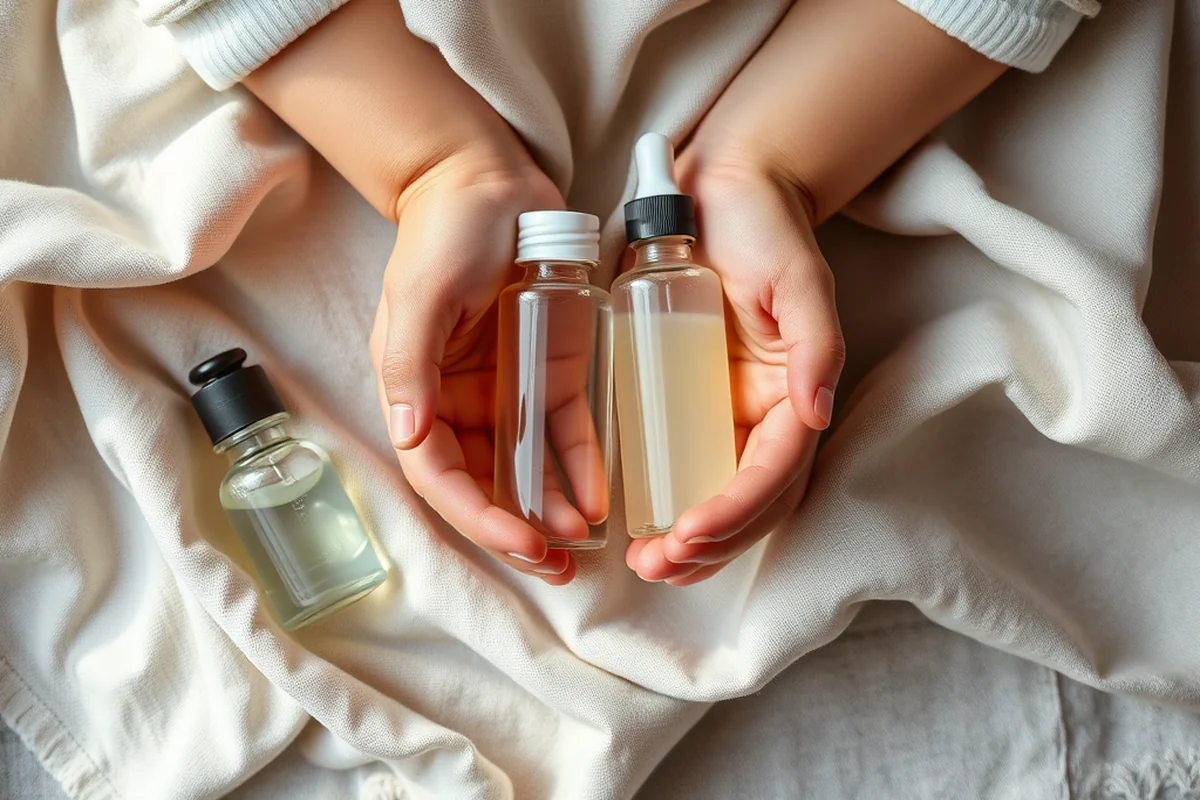
I’ve found that the first step in any hypoallergenic skincare routine for kids is a gentle cleanser. A good cleanser should be free of fragrances, dyes, and harsh surfactants. I’ve used a few different products, and the ones that worked best for my niece were free of sulfates and had a pH that was close to the skin’s natural pH.
I once used a cleanser that was labeled as 'hypoallergenic' but still caused my niece to feel tight and dry after washing. That’s when I realized that not all cleansers are created equal. The best hypoallergenic skincare for kids uses mild, non-foaming cleansers that are less likely to strip the skin’s natural oils.
I’ve also learned that it’s important to use lukewarm water when cleansing a child’s skin. Hot water can be too harsh and can cause dryness or irritation. I’ve noticed that using a gentle, hypoallergenic cleanser has made a big difference in my niece’s skin, leaving it soft and healthy.
Related: Cheap hypoallergenic face moisturizer for kids
The Role of Moisturizers in Hypoallergenic Skincare for Kids
Moisturizing is a crucial step in any hypoallergenic skincare routine for kids. A good moisturizer should be free of fragrances, dyes, and harsh preservatives. I’ve found that using a moisturizer with ingredients like oat extract and glycerin has been the most effective for my niece. These ingredients help to lock in moisture and keep the skin soft.
I once used a moisturizer that was labeled as 'hypoallergenic' but still caused my niece’s skin to break out. That’s when I realized that not all moisturizers are safe for kids. I’ve since learned to look for products that are specifically formulated for children and have a simple ingredient list. This gives me more confidence in the product’s safety.
Related: Affordable hypoallergenic face moisturizer for kids
How to Choose the Right Hypoallergenic Skincare for Kids
Choosing the right hypoallergenic skincare for kids can be overwhelming, but there are a few key things to look for. First, look for products that are free from fragrances, dyes, and harsh preservatives. These ingredients are more likely to cause irritation in children.
I’ve found that products with a simple ingredient list are best for kids. This makes it easier to spot potential irritants and avoid them. I’ve also learned to look for products that have been tested for safety on children and have received certifications from dermatologists or pediatricians.
Another thing to consider is the pH of the product. The best hypoallergenic skincare for kids has a pH that is close to the skin’s natural pH. This helps to maintain the skin’s natural barrier and prevent irritation. I’ve found that using products with the right pH has made a big difference in my niece’s skin.
Choosing the right product can make all the difference in your child’s skin health.
Related: Affordable hypoallergenic skincare for kids
The Benefits of Hypoallergenic Skincare for Kids
The benefits of using hypoallergenic skincare for kids are numerous. First, it helps to protect their sensitive skin from irritation and allergic reactions. I’ve seen a noticeable improvement in my niece’s skin after switching to hypoallergenic products. Her skin is softer, and she has fewer breakouts.
Another benefit is that hypoallergenic skincare for kids is often more gentle and less likely to cause dryness or irritation. This is especially important for children who may have eczema or other skin conditions. I’ve found that using hypoallergenic products has helped to reduce the frequency of flare-ups in my niece.
I’ve also noticed that hypoallergenic skincare for kids is often more affordable than adult skincare products. This is a big plus for parents who are looking for safe, effective products without breaking the bank. I’ve been able to find a few products that work well for my niece and are within my budget.
🛡️ Sensitive Skin
For kids with eczema or other sensitive skin conditions, look for products with oat extract and minimal ingredients.
💰 Budget
There are affordable hypoallergenic skincare options that are safe and effective for kids.
🧼 Minimalist
Choose simple, two-step skincare routines with a gentle cleanser and moisturizer.
✨ Targeted
Use products that are designed for specific skin concerns like dryness or irritation.
🔄 Maintenance
Opt for everyday skincare products that help maintain healthy, irritation-free skin.
| The mistake | Why it happens | The fix |
|---|---|---|
| Using products with harsh chemicals like sulfates | Sulfates can strip the skin of its natural oils and cause dryness or irritation. | Choose products that are free from sulfates and other harsh chemicals. |
Hypoallergenic Skincare For Kids Vs
Common Questions
Can I use adult skincare products on my child?
What are the best ingredients for hypoallergenic skincare for kids?
How often should I apply hypoallergenic skincare to my child?
Can I use hypoallergenic skincare for kids on my own skin?
References
- (PDF) Cosmetic Formulation Principles and Practice - Academia.edu (academia.edu)
- Shopping for Presents? Check Out Our 2024 Holiday Marketplace! (alumni.cornell.edu)
- Dynastic and Generative Intent for First-Generation Black Wealth ... (aura.antioch.edu)
- The Dove Self-Esteem Project (chop.edu)
Cite this guide
Hypoallergenic Skincare for Young Adults (2026). Hypoallergenic Skincare For Kids Vs. https://skincertainty.com/hypoallergenic-skincare-for-kids-vs/
Feel free to cite or share this guide.
Hypoallergenic Routine Finder
Sorts sensitive skin into a reactivity profile and gives matching hypoallergenic ingredient guidance.
Open it free →