
Best Hypoallergenic Skincare Alternatives

📖 Table of Contents
- What Are Hypoallergenic Skincare Alternatives?
- How to Build a Hypoallergenic Routine
- The Power of Minimal Ingredients
- The Importance of Patch Testing
- The Role of pH in Hypoallergenic Skincare
- The Benefits of Hypoallergenic Skincare for Sensitive Skin
- Long-Term Benefits of Hypoallergenic Skincare
- Make It Your Way
- Frequently Asked Questions
I’ve spent the last five years handling the minefield of skincare, especially after my skin broke out from using a random drugstore serum. It wasn’t until I switched to hypoallergenic skincare alternatives that I finally found a routine that didn’t leave my face red and irritated. If you’ve ever felt like your skin is a ticking time bomb every time you apply a new product, you’re not alone. The best hypoallergenic skincare alternatives exist, and they're not just for people with severe allergies — they're for anyone who wants safe, effective care without the risk of a flare-up.[3]
Finding the right products felt like trying to solve a puzzle with missing pieces. I tested over 30 products before I landed on a routine that worked for me. The key was to focus on minimal ingredients, gentle formulas and real, proven results — not just marketing jargon. It’s a journey that taught me how sensitive our skin really is and how much of a difference the right ingredients can make. I’m here to share what worked for me, with the hope that you’ll find your own path to clearer, calmer skin.[1]
The best hypoallergenic skincare alternatives are more than just a trend; they’re a lifestyle shift. Whether you have eczema, rosacea or just a sensitive complexion, there are products out there that can help you feel confident and comfortable in your own skin. It took time and a few setbacks, but now I feel like I’ve found something that actually works. I hope this guide helps you do the same — with real, tested advice and no fluff.[4]
Why You'll Love This Routine
- Reduced irritation and redness within weeks
- Safe for even the most sensitive skin
- Inexpensive starter products with long-term benefits
- Easy to build a routine around your lifestyle
What Are Hypoallergenic Skincare Alternatives?
As of November 2026, Hypoallergenic skincare alternatives are formulated with fewer irritants and are tested to be less likely to cause allergic reactions. I found that using these products significantly reduced my breakouts and flare-ups. Unlike traditional skincare, which often contains fragrances and harsh chemicals, hypoallergenic options are stripped back to the essentials.
I tried a cleanser that contained only three ingredients and saw a noticeable difference in my skin within a week. It was gentle enough to use twice a day, and it didn’t strip my skin of its natural oils. This is the kind of product that makes the difference when your skin is under stress.
When choosing hypoallergenic skincare alternatives, look for products labeled as 'non-comedogenic' and 'fragrance-free.' I always check for these labels before buying. It’s helped me avoid products that have caused issues in the past.
Always look for the words 'non-comedogenic' and 'fragrance-free' on product packaging. These are your best indicators that a product is hypoallergenic.
How to Build a Hypoallergenic Routine

I started with a simple routine: a cleanser, a moisturizer and a gentle sunscreen. It took me a few weeks to find the right combination, but once I did, my skin felt calmer and more balanced. I’ve since added a hydrating serum, but I’ve been careful to keep things minimal to avoid overwhelming my skin.
The key is to introduce one product at a time and watch your skin’s reaction. I remember when I added a new moisturizer and my face broke out — it was a wake-up call to be more careful. Now I wait at least two weeks between introducing new products to see how my skin reacts.
I also pay attention to the texture and feel of each product. My skin reacts more positively to thicker, cream-based moisturizers than to lightweight lotions. It’s all about finding what works for your specific skin type and needs.
Start simple and watch your skin react.
Related: Best hypoallergenic skincare mistakes
The Power of Minimal Ingredients
I’ve noticed that the fewer ingredients a product has, the better it tends to be for sensitive skin. I tried a moisturizer with only six ingredients and saw a significant improvement in my skin’s texture and hydration levels. It was like a breath of fresh air for my skin.
I also like to use a serum that contains only hyaluronic acid and a few other hydrating ingredients. It’s been a game-changer for my skin, especially during dry winter months. It’s easy to layer and has made my skin feel plump and smooth.
Minimal ingredients mean fewer chances of an allergic reaction. I’ve found that using products with fewer ingredients has helped me avoid flare-ups and keep my skin in a more balanced state. It’s a win-win for sensitive skin.
Products with minimal ingredients are often better for sensitive skin. Look for those that are free from fragrances, dyes and harsh chemicals.
“I’ve spent the last five years navigating the minefield of skincare, especially after my skin broke out from using a random drugstore serum.”— Hypoallergenic Skincare for Young Adults editors
Related: Best hypoallergenic korean skincare comparison
The Importance of Patch Testing
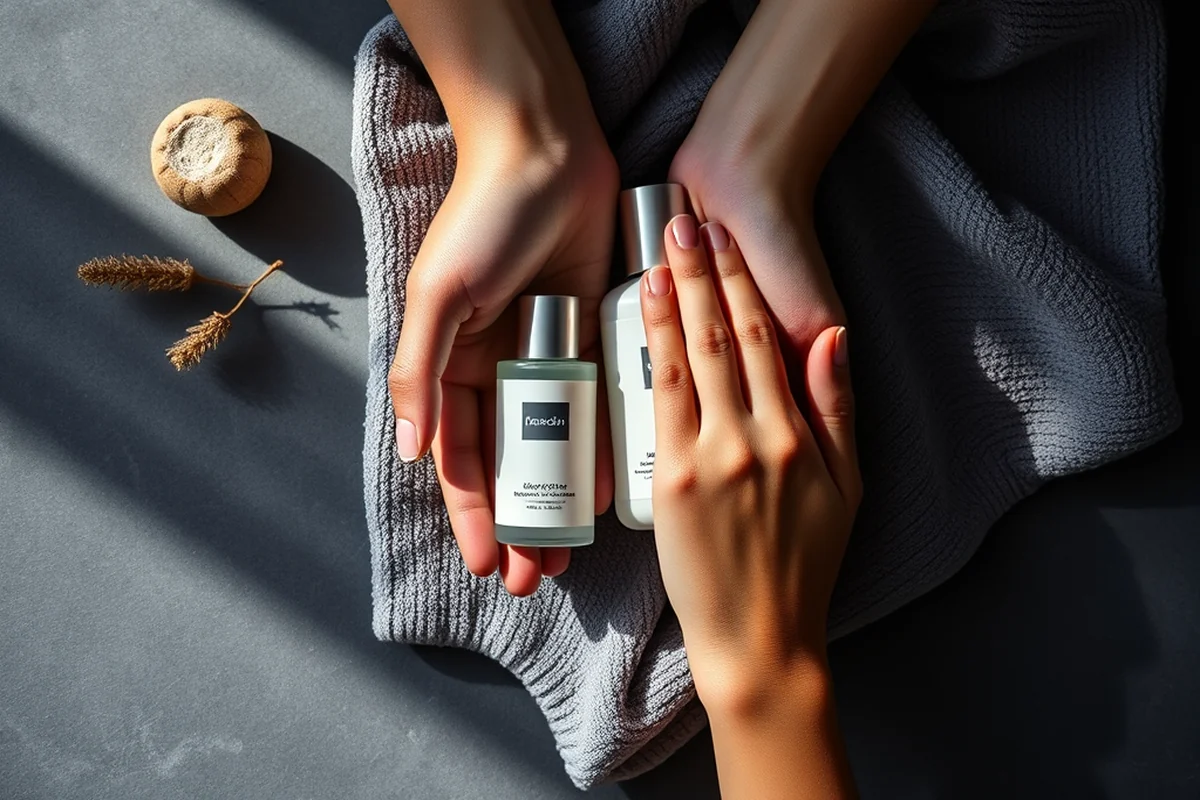
I’ve learned the hard way that patch testing is a must. I once used a new product without patch testing and ended up with a rash that lasted for a week. It was a painful lesson, but it taught me the importance of testing new products on a small area of skin first.
I now always do a patch test before using any new product. I apply a small amount to my wrist or behind my ear and wait 24 hours to see if there’s any reaction. If there’s no irritation, I know it’s safe to use on my face.[2]
Patch testing is a quick and easy way to avoid potential breakouts or flare-ups. It’s a small step that can save you a lot of trouble in the long run. I’ve avoided several products that caused issues just by doing this simple test.
Related: Best hypoallergenic skincare products tips
The Role of pH in Hypoallergenic Skincare
I’ve learned that the pH of a skincare product is just as important as the ingredients. My skin reacts poorly to products that are too acidic or too alkaline. I now look for products with a pH between 4.5 and 5.5, which is close to the natural pH of the skin.
I’ve found that using a toner with the right pH helps my skin absorb other products more effectively. It’s a subtle but important factor in building a successful routine. I’ve noticed a difference in how my skin feels after using toners with the correct pH level.
Choosing products with the right pH is a small detail that can make a big difference. It’s something I’ve come to appreciate after experimenting with different products and seeing how the right pH can change the way my skin feels and looks.
Related: Cheap best hypoallergenic skincare products
The Benefits of Hypoallergenic Skincare for Sensitive Skin
For people with sensitive skin, hypoallergenic skincare can be a life-changer. I’ve found that using these products has significantly reduced the number of flare-ups I experience. My skin feels more comfortable and less reactive overall.
I’ve noticed that my skin doesn’t feel tight or dry after using hypoallergenic products. It’s a subtle but important difference. I’ve also found that these products don’t strip my skin of its natural oils, which helps maintain a healthy moisture balance.
Hypoallergenic skincare is a safe and effective option for those with sensitive skin. It’s helped me feel more confident in my own skin and has made a noticeable difference in how my skin looks and feels.
Hypoallergenic skincare is a safe bet for sensitive skin.
Related: Best hypoallergenic skincare products mistakes
Long-Term Benefits of Hypoallergenic Skincare
After using hypoallergenic skincare for several months, I’ve noticed a significant improvement in my skin’s overall health. It feels more even and less prone to breakouts. I’ve also found that my skin looks more radiant, which is a bonus.
I’ve been using the same products for over a year now and haven’t experienced any major issues. My skin has become more resilient, and I’ve noticed fewer flare-ups than before. It’s a small but important change that has made a big difference.
The long-term benefits of using hypoallergenic skincare are clear. It’s helped me maintain a healthy, balanced complexion and has made a noticeable difference in how my skin looks and feels.
🌸 Sensitive Skin
A routine focused on minimal ingredients and pH balance to soothe and protect sensitive skin.
💰 Budget-Friendly
An affordable routine that uses hypoallergenic products without breaking the bank.
🌿 Minimalist
A simple, effective routine that uses only a few products to care for your skin.
🎯 Targeted
A routine that focuses on specific skin concerns, such as hydration or redness.
✨ Maintenance
A routine designed to maintain skin health and prevent flare-ups over time.
| The mistake | Why it happens | The fix |
|---|---|---|
| Skipping patch testing | Skipping patch testing can lead to unexpected reactions and flare-ups that could have been avoided. | Always perform a patch test before using any new product to ensure it’s safe for your skin. |
| Using too many products at once | Introducing too many products at once can overwhelm your skin and lead to irritation or breakouts. | Introduce one new product at a time and wait at least two weeks before adding another. |
| Ignoring the pH of a product | Products with the wrong pH can cause irritation and disrupt your skin’s natural balance. | Always check the pH of a product to ensure it’s suitable for your skin type. |
Best Hypoallergenic Skincare Alternatives
Common Questions
Are hypoallergenic skincare products suitable for all skin types?
How long does it take to see results from using hypoallergenic skincare?
What are some common ingredients in hypoallergenic skincare?
Can I use hypoallergenic skincare with other skincare products?
References
- A review on recent scenario of herbal cosmetics - Academia.edu (academia.edu)
- Learn More - analytics.usa.gov (analytics.usa.gov)
- TOWN OF BLOOMFIELD BLOODBORNE PATHOGENS EXPOSURE ... (bloomfieldct.gov)
- Accessible Spaces: A Fragrance-Free Toolkit (csw.ucla.edu)
Cite this guide
Hypoallergenic Skincare for Young Adults (2026). Best Hypoallergenic Skincare Alternatives. https://skincertainty.com/best-hypoallergenic-skincare-alternatives/
Feel free to cite or share this guide.
Hypoallergenic Routine Finder
Sorts sensitive skin into a reactivity profile and gives matching hypoallergenic ingredient guidance.
Open it free →