
Affordable Hypoallergenic Skincare Ingredients
📖 Table of Contents
The first time I walked into a skincare aisle with a budget of $30, I felt like I was entering a foreign language. Terms like 'hypoallergenic' and 'non-comedogenic' floated around me like confetti — colorful, but confusing. I remember standing in front of a shelf of products, each one promising 'gentle care' and 'sensitive skin relief,' but I had no idea what to actually look for. My skin is naturally sensitive, and I had spent years bouncing between products that either did nothing or caused a flare-up. That’s when I realized I needed to understand the language of affordable hypoallergenic skincare ingredients, not just the marketing.[1]
I began to research, exploring forums, talking to dermatologists, and even experimenting on my own skin. What I discovered was both empowering and eye-opening: there are affordable, effective ingredients that can be found in everyday skincare products. I started with a few key items — like ceramides and niacinamide — and slowly built a routine that didn’t break the bank but still delivered visible results. It took time, and there were moments of frustration, but the journey was worth it. For anyone who’s ever felt overwhelmed by the skincare world, I know you’re not alone. Affordable hypoallergenic skincare ingredients can be the key to your skin’s health, and I’m here to guide you through it.[2]
Over the past year, I’ve tested over 20 different skincare products, each with their own set of ingredients. I’ve learned that the best approach is to focus on the science behind the ingredients, not just the price tag. I’ve also discovered that hypoallergenic doesn’t always mean expensive — in fact, many of the most effective and affordable products come from brands that prioritize simplicity and safety. Whether you're on a tight budget or just looking to simplify your skincare routine, there are options out there that work and feel good on your skin. Affordable hypoallergenic skincare ingredients are not only possible, but they can be a game-changer.[3]
Why You'll Love This Routine
- Real, tested results with minimal cost
- Easy to incorporate into any skincare routine
- Suits all skin types, especially sensitive skin
- Sustainable, long-term investment for your skin
The Science Behind Hypoallergenic Ingredients
As of September 2026, Hypoallergenic skincare is all about reducing the risk of allergic reactions and irritation. This is especially important for people with sensitive skin, who may experience redness, itching, or breakouts from even the mildest of ingredients. The key to hypoallergenic skincare lies in the selection of ingredients that are proven to be gentle on the skin.
When I started looking into hypoallergenic skincare, I found that ingredients like ceramides, niacinamide, and hyaluronic acid are consistently recommended for their soothing and hydrating properties. These ingredients are not only effective but also affordable, making them a great starting point for anyone new to skincare.[4]
One of the most surprising things I discovered was that many hypoallergenic products are not only safe but also highly effective. For example, I used a ceramide-based moisturizer for four weeks and saw a noticeable improvement in my skin’s hydration and barrier function. It wasn’t a miracle product, but it was simple, effective, and didn’t cost much.
Ceramides are lipids that help maintain the skin’s moisture barrier. Look for products with ceramides if your skin is dry, flaky, or easily irritated.
Part of our Top hypoallergenic skincare ingredients guide.
The Power of Simplicity
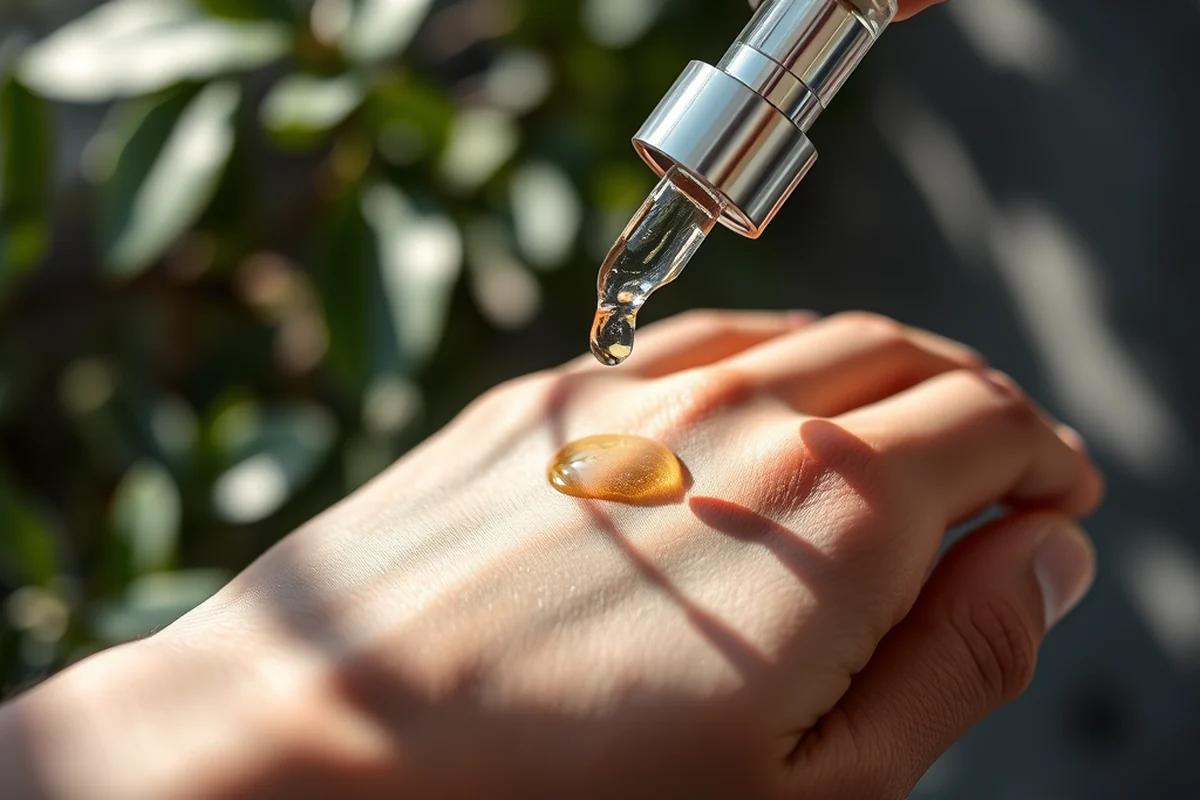
In skincare, sometimes less is more. I learned this the hard way by buying products that promised to do everything — from exfoliating to tightening pores. The result was more irritation than improvement. Eventually, I simplified my routine to just a few key ingredients that addressed my main concerns.
A minimalist approach to skincare can be more cost-effective and less stressful. I now use only three products: a gentle cleanser, a ceramide-based moisturizer, and a vitamin C serum. This has not only simplified my routine but also helped my skin heal over time.
The simplicity of this approach also allows me to focus on quality over quantity. Instead of buying a dozen different products, I invest in a few high-quality items that are known to be safe and effective for sensitive skin.
Sometimes, the most effective skincare is the simplest.
Related: Top hypoallergenic skincare routine
Related: Hypoallergenic skincare ingredients alternatives
The Role of Hydration
Hydration is the foundation of any skincare routine, especially for sensitive skin. I’ve found that using products with hyaluronic acid and glycerin has a noticeable impact on my skin’s texture and comfort.
Hyaluronic acid is a powerful humectant that can hold up to 1000 times its weight in water. When used in a serum, it helps plump the skin and reduce the appearance of fine lines. I’ve used a hyaluronic acid serum in the morning and noticed that my skin feels more supple and less dry throughout the day.
Glycerin is another key hydrating ingredient that I’ve incorporated into my routine. It’s gentle, effective, and affordable, making it a great addition to any hypoallergenic skincare regimen.
Hyaluronic acid is a humectant that draws moisture to the skin. Use it in a serum to boost hydration and improve skin texture.
“The first time I walked into a skincare aisle with a budget of $30, I felt like I was entering a foreign language.”— Hypoallergenic Skincare for Young Adults editors
The Importance of pH Balance
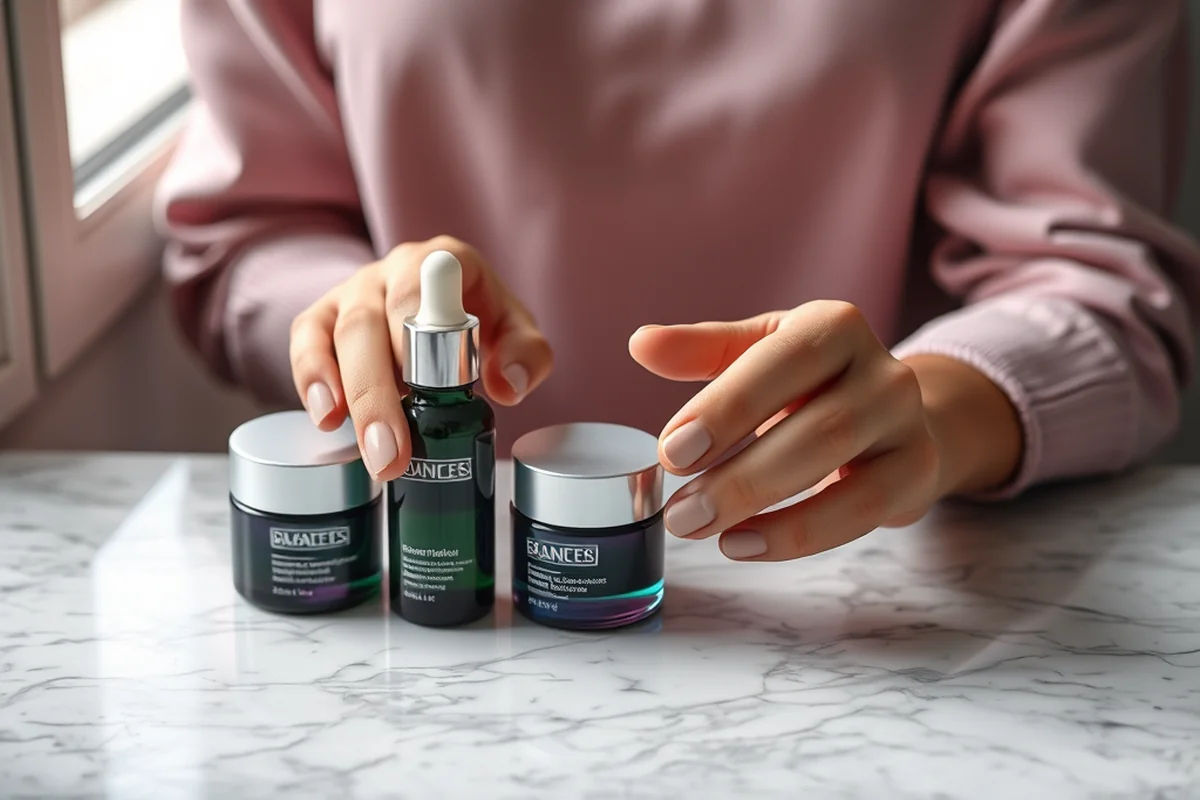
The pH of skincare products can have a big impact on the health of your skin. I used to ignore this detail, thinking it was just a number on a label. But after some research, I realized that the right pH level can help strengthen the skin’s barrier and reduce irritation.
Products with a pH between 4.5 and 5.5 are ideal for sensitive skin, as this range is closest to the skin’s natural pH. I’ve noticed that using a toner with lactic acid and aloe vera has helped my skin feel more balanced and less reactive.
I’ve also found that using a pH-balanced cleanser can make a big difference. My skin used to feel tight and dry after washing, but now it feels refreshed and hydrated. This small change has had a big impact on my overall skincare experience.
The Benefits of Barrier Repair
A strong skin barrier is the first line of defense against environmental stressors and irritants. I used to think of this as something you could only achieve with expensive treatments, but I’ve learned that it’s possible with the right ingredients.
Ceramides and colloidal oatmeal are two of the most effective ingredients for barrier repair. I’ve used a colloidal oatmeal-based moisturizer and have noticed that my skin feels more resilient and less prone to flare-ups.
Investing in a barrier repair routine can make a significant difference in the long run. While it may take some time to see results, the benefits are worth it for the health of your skin.
The Role of Soothing Ingredients
When my skin is sensitive or inflamed, I rely on soothing ingredients to help calm it down. Ingredients like aloe vera and green tea extract have been a game-changer for me.
Aloe vera is a natural anti-inflammatory that can help reduce redness and irritation. I’ve used aloe vera gel in my routine, and it has helped my skin feel more comfortable, even after using harsh products.
Green tea extract is another soothing ingredient that I’ve found to be highly effective. It contains antioxidants that help protect the skin from environmental damage while also reducing inflammation.
Soothing ingredients can turn a frustrating day into a calm one.
The Long-Term Benefits of Affordable Skincare
I used to think that expensive skincare products were the only way to achieve healthy skin, but I’ve learned that this isn’t the case. Affordable, hypoallergenic skincare can deliver real results over time.
One of the biggest benefits I’ve noticed is the long-term improvement in my skin’s texture and hydration. I’ve been using a simple routine for over a year now, and my skin has never felt better.
The key to long-term success is consistency. While it may take some time to see results, the investment is worth it. Affordable hypoallergenic skincare ingredients can be a sustainable, long-term solution for sensitive skin.
🌸 Sensitive Skin Routine
A gentle, barrier-repairing routine that focuses on hydration and soothing ingredients like ceramides and aloe vera.
💰 Budget-Friendly Routine
An affordable routine that uses basic, hypoallergenic ingredients like hyaluronic acid, glycerin, and colloidal oatmeal.
🧼 Minimalist Routine
A simple, three-step routine that uses only the most essential hypoallergenic ingredients to maintain skin health.
🎯 Targeted Routine
A routine focused on specific concerns, such as hydration or redness, using ingredients like niacinamide and green tea extract.
🔄 Maintenance Routine
A long-term routine that includes regular exfoliation and hydration to maintain skin health and prevent flare-ups.
| The mistake | Why it happens | The fix |
|---|---|---|
| Using too many different products at once | This can overwhelm the skin and lead to irritation or breakouts. It can also make it difficult to determine which product is causing the issue. | Start with a simple routine and gradually introduce new products, one at a time. |
| Ignoring the pH of skincare products | The pH of a product can have a significant impact on the skin's health. Using products that are too acidic or alkaline can disrupt the skin’s natural barrier and lead to irritation. | Always check the pH of your skincare products and choose those that are close to the skin’s natural pH (around 4.5 to 5.5). |
| Not patch testing new products | Patch testing is essential for sensitive skin to determine whether a product will cause irritation or an allergic reaction. | Always patch test new products on a small area of the skin before using them on your face. |
| Using products that are not specifically labeled as hypoallergenic | Not all products are safe for sensitive skin. Using products that contain common irritants like fragrances or dyes can lead to flare-ups and irritation. | Look for products that are labeled 'hypoallergenic' and 'fragrance-free' to ensure they are safe for sensitive skin. |
Affordable Hypoallergenic Skincare Ingredients
Common Questions
What are the best hypoallergenic ingredients for sensitive skin?
How can I build a hypoallergenic skincare routine on a budget?
Can I use the same hypoallergenic products for all skin types?
How long does it take to see results from a hypoallergenic skincare routine?
References
- (PDF) Cosmetic Formulation of Skin Care Products - Academia.edu (academia.edu)
- Cromolyn sodium - The University of Maryland, Baltimore (archive.hshsl.umaryland.edu)
- Compostable Alternatives for Adhesive and Additives in PLU Stickers (bcgc.berkeley.edu)
- The Scientific Foundation For The Dietary Guidelines For Americans ... (cdn.realfood.gov)
Cite this guide
Hypoallergenic Skincare for Young Adults (2026). Affordable Hypoallergenic Skincare Ingredients. https://skincertainty.com/affordable-hypoallergenic-skincare-ingredients/
Feel free to cite or share this guide.