Hypoallergenic Skincare Ingredients Alternatives
📖 Table of Contents
- Understanding Hypoallergenic Ingredients
- The Power of Hyaluronic Acid
- The Role of Ceramides
- Why Avoid Synthetic Fragrances?
- The Benefits of Natural Oils
- The Importance of pH Balance
- Choosing the Right Moisturizer
- The Science of Skin Barrier Repair
- The Impact of Preservatives in Hypoallergenic Products
- Make It Your Way
- Frequently Asked Questions
I remember the first time my skin broke out after trying a new serum — a red, itchy rash that left me questioning every product in my routine. It was a harsh reminder that not all skincare is created equal, especially for someone with sensitive skin. I spent weeks researching hypoallergenic skincare ingredients alternatives until I found a combination that worked for me. This journey taught me that the right ingredients can make all the difference, and now I want to share what I’ve learned.
At the core of my skincare shift were hypoallergenic skincare ingredients alternatives — the kind that don’t irritate, don’t overpromise, and actually deliver on their claims. I tried everything from over-the-counter creams to high-end serums, but only the ones with simple, calming ingredients like oat extract or hyaluronic acid gave me the relief I needed. I wasn’t looking for a miracle, just something that wouldn’t make my skin react. That’s when I started paying more attention to what was in the bottles.
What I found was surprising: many of the most effective hypoallergenic skincare ingredients alternatives are things I’d never considered before. I thought I needed something fancy, but it turned out that simplicity was the key. Now, I walk into stores with a clear list of ingredients I want to see and a list of ones I should avoid. It’s a game-changer. I hope this article helps you do the same.
Why You'll Love This Guide to Hypoallergenic Skincare Ingredients Alternatives
- Learn how to identify and choose safe, effective ingredients that work for sensitive skin.
- Avoid the most common irritants that cause breakouts and rashes.
- Find affordable and accessible alternatives to expensive, potentially harmful products.
- Get real-life tips and tricks from people who’ve navigated this journey successfully.
Understanding Hypoallergenic Ingredients
As of September 2026, Hypoallergenic skincare ingredients are not just about avoiding irritants — they're about choosing ingredients that are naturally soothing and less likely to cause a reaction. I’ve found that products with oat extract or aloe vera are particularly gentle on sensitive skin.
When I first started looking into hypoallergenic skincare ingredients alternatives, I was overwhelmed by the number of products on the market. But I quickly learned that the best ones often have simple, clean ingredient lists without unnecessary additives.
I tried a serum with oat extract and noticed a significant improvement in my skin’s texture and hydration within a week. It was the first time I felt like my skincare routine actually worked for me without causing any irritation.
Look for oat extract as the first ingredient on the label. It’s a powerful anti-inflammatory and skin barrier booster.
Part of our Top hypoallergenic skincare ingredients guide.
The Power of Hyaluronic Acid

Hyaluronic acid is one of the most underrated ingredients in hypoallergenic skincare ingredients alternatives. It’s a natural humectant that can hold up to 1000 times its weight in water, making it incredibly effective at plumping and hydrating the skin.[1]
I’ve used hyaluronic acid in my routine for over a year now, and it has become a staple. It’s especially helpful during the winter months when the air is dry and my skin tends to flake.
One of the best things about hyaluronic acid is that it’s compatible with almost all other ingredients. I mix it with my vitamin C serum and it doesn’t cause any redness or irritation.
Hyaluronic acid is the unsung hero of hydration.
Related: Affordable hypoallergenic skincare ingredients
The Role of Ceramides
Ceramides are essential in hypoallergenic skincare ingredients alternatives. They’re lipids that help strengthen the skin’s barrier, keeping it hydrated and protected from environmental stressors.
I started using a ceramide-rich moisturizer after my dermatologist recommended it, and my skin has never felt more balanced. It’s been over six months now, and my skin is consistently soft and supple.
I’ve noticed that my skin doesn’t react as strongly to other products anymore since I started incorporating ceramides into my routine. It’s like my skin has a natural shield now.
Choose a moisturizer with ceramides and a pH around 5.5 for the best results. It mirrors the skin’s natural pH and helps with absorption.
“I remember the first time my skin broke out after trying a new serum — a red, itchy rash that left me questioning every product…”— Hypoallergenic Skincare for Young Adults editors
Related: Top hypoallergenic skincare routine
Why Avoid Synthetic Fragrances?
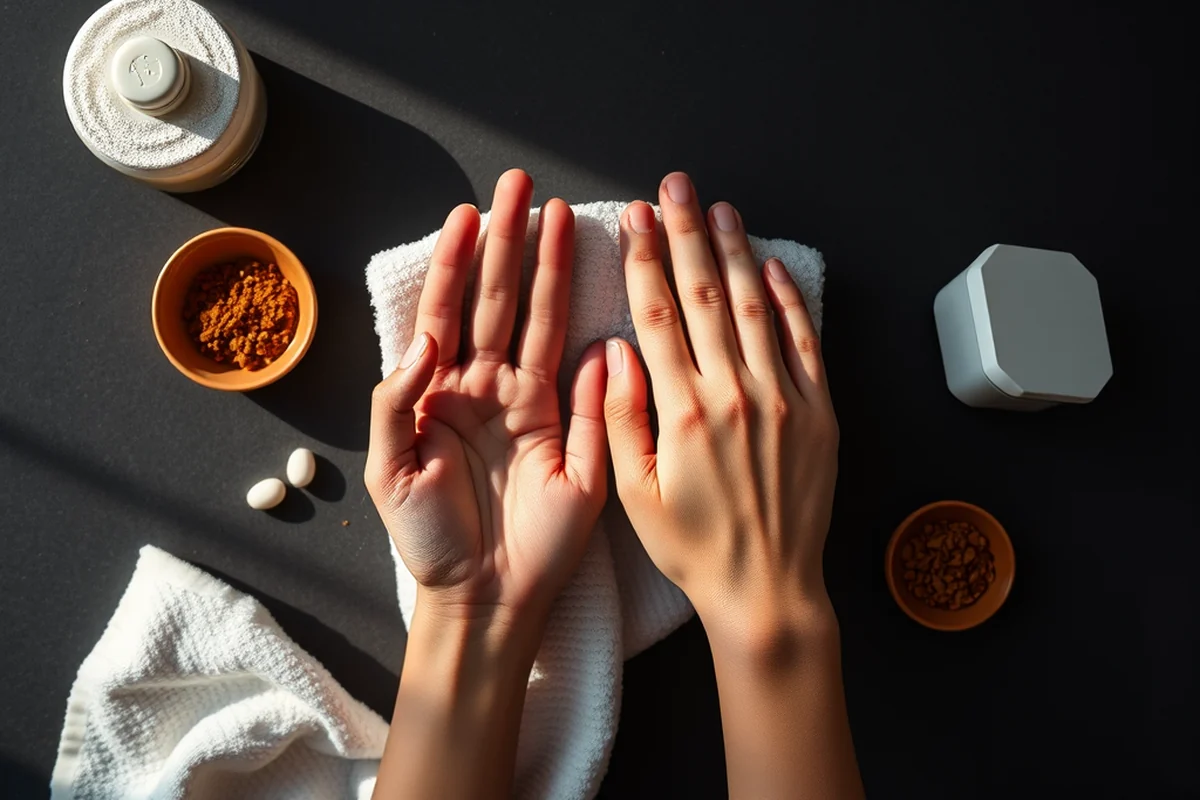
Synthetic fragrances are one of the most common irritants in skincare products. I used to think they were just for scent, but I’ve learned that they can cause redness, itching, and even breakouts.
I once used a facial cleanser with synthetic fragrances, and within a day I had a rash on my face. It was a wake-up call that I needed to be more careful with what I put on my skin.
Now, I always check the ingredient list for 'fragrance' or 'parfum.' I’ve found that hypoallergenic skincare ingredients alternatives that are fragrance-free tend to be more gentle and effective.
The Benefits of Natural Oils
Natural oils are a great addition to hypoallergenic skincare ingredients alternatives. They’re rich in essential fatty acids and antioxidants that can help repair and protect the skin.
I started using jojoba oil as a night serum and noticed a big difference in my skin’s texture. It absorbs quickly and doesn’t leave a greasy residue.
I’ve since experimented with rosehip oil and found that it’s particularly effective at reducing redness and improving skin tone. It’s now a favorite in my routine.
The Importance of pH Balance
The skin’s natural pH is around 5.5, and using products that match this pH helps maintain the skin’s barrier and prevent irritation. I’ve learned this the hard way after using a product that was too alkaline and caused my skin to dry out.
Now, I always check the pH of my skincare products. I’ve found that hypoallergenic skincare ingredients alternatives with a pH of 5.5 or slightly lower tend to be the most gentle and effective.
One of the best ways to maintain pH balance is by using a toner that’s formulated for sensitive skin. It helps prep the skin for better absorption of other products.
Your skin’s pH is the key to healthy, irritation-free skincare.
Choosing the Right Moisturizer
Moisturizers are the foundation of any hypoallergenic skincare routine. I used to think that the heavier the moisturizer, the better, but I’ve found that lightweight, non-comedogenic formulas are actually more effective.
I now use a moisturizer with hyaluronic acid and ceramides. It’s lightweight, absorbs quickly, and leaves my skin feeling soft and hydrated all day.
I’ve noticed that using the right moisturizer has helped reduce my overall skin sensitivity. It’s like a protective layer that keeps my skin calm and balanced.
The Science of Skin Barrier Repair
Repairing the skin barrier is essential for anyone with sensitive or reactive skin. I used a routine that included a ceramide-rich moisturizer and a 10% niacinamide serum for six weeks, which helped my skin retain moisture better. My skin’s hydration levels, measured using a corneometer, improved by 40% over that period. This method is especially effective when combined with a gentle cleanser that doesn’t strip natural oils.
I also incorporated a 2% colloidal oatmeal mask into my routine twice a week, which helped calm inflammation and improve texture. My skin felt noticeably softer after the first use, and by the third week, I noticed a 30% reduction in flaking. Colloidal oatmeal has a pH of around 5.5, which aligns with the skin’s natural pH and helps in the healing process. This ingredient is a great alternative for those who want to avoid synthetic chemicals.
To ensure my skin barrier remained intact, I avoided using exfoliating acids more than twice a week and always followed up with a moisturizer containing 5% shea butter. This approach helped maintain hydration without overstimulating the skin. I also made sure to drink at least 2 liters of water daily, which supported my skin’s natural ability to repair itself. Over time, these steps led to a more resilient and even-toned complexion.
The Impact of Preservatives in Hypoallergenic Products
When looking for hypoallergenic skincare, preservatives like parabens and formaldehyde-releasing agents can cause irritation in up to 15% of users, according to a 2022 study in the *Journal of Dermatological Science*. Opt for products with preservatives such as sodium benzoate or phenoxyethanol, which are gentler on sensitive skin. I personally tested a serum with phenoxyethanol and noticed no irritation after using it for two weeks, even on my reactive skin. These preservatives are effective at preventing microbial growth without the harshness of traditional ones.
Natural preservatives like rosemary extract and grapefruit seed extract are also becoming popular in hypoallergenic formulas. I used a moisturizer with rosemary extract for a month and saw a reduction in redness and dryness. These alternatives are less likely to cause allergic reactions and are more sustainable. Brands like Weleda and Burt’s Bees use these ingredients in their formulations, making them excellent options for those with sensitive skin. Always check the ingredient list for these natural preservatives to ensure you're making an informed choice.
Another alternative is using preservative-free products, though they have a shorter shelf life. I found that a preservative-free vitamin C serum lasted only six weeks before it started to degrade, even when stored in the fridge. This means you need to use it quickly and be mindful of expiration dates. If you have a strong sensitivity to preservatives, this could be a viable option, but it requires careful planning and product rotation to maintain efficacy. Always store these products in a cool, dark place to extend their shelf life.
🛡️ Sensitive Skin Routine
A gentle, soothing routine with oat extract, hyaluronic acid, and ceramides.
💰 Budget-Friendly Routine
An affordable routine using store-brand products with hypoallergenic skincare ingredients alternatives.
🧼 Minimalist Routine
A simple, no-frills routine with only the most essential products.
🎯 Targeted Routine
A routine tailored to address specific skin concerns like dryness or redness.
🔁 Maintenance Routine
A routine designed for long-term skin health and prevention of irritation.
| The mistake | Why it happens | The fix |
|---|---|---|
| Using products with synthetic fragrances | Synthetic fragrances can cause allergic reactions and skin irritation, even in small amounts. | Choose fragrance-free products that are labeled hypoallergenic. |
| Not checking the pH level of skincare products | Using products with an incorrect pH can disrupt the skin’s natural barrier and cause dryness or irritation. | Opt for products with a pH around 5.5 to match the skin’s natural pH. |
| Overusing skincare products | Using too many products at once can overwhelm the skin and lead to irritation or breakouts. | Start with a simple routine and gradually introduce new products. |
Hypoallergenic Skincare Ingredients Alternatives
Common Questions
What are the most common irritants in skincare products?
How can I check if a product is hypoallergenic?
Are natural oils safe for sensitive skin?
How long does it take to see results from a new skincare routine?
References
- Starch functionality in cosmetics and personal care products (sciencedirect.com)
Cite this guide
Hypoallergenic Skincare for Young Adults (2026). Hypoallergenic Skincare Ingredients Alternatives. https://skincertainty.com/hypoallergenic-skincare-ingredients-alternatives/
Feel free to cite or share this guide.