
Best Hypoallergenic Korean Skincare Mistakes

📖 Table of Contents
- The 'More is Better' Myth: Too Many Products = Too Much Stress
- The Skincare Overload Trap: Skipping the Patch Test Can Be Costly
- The All-Inclusive Mistake: Assuming All K-Beauty Products Are Hypoallergenic
- The Overlooked Mistake: Skipping the Sunscreen Step
- The Mistake of Ignoring the Skin’s Needs: Not Listening to Your Skin
- The Mistake of Rushing to Results: Expecting Immediate Changes
- The Mistake of Buying in Bulk: Not All Products Are Worth the Investment
- Make It Your Way
- Frequently Asked Questions
I remember the first time I tried a hypoallergenic Korean skincare routine — it felt like stepping into a futuristic spa, with products that smelled like fresh citrus and had names like 'Ceramide Renewal Serum' and 'Glycolic Mist.' I was 22, fresh out of college. Desperate for something that could calm my sensitive, red-faced skin without making me feel like I was using a chemical bomb. I had heard so much about the K-beauty hype, but nothing prepared me for the reality of navigating a world where 'snail mucin' and 'fermented extracts' were the new black. I made mistakes along the way — and I wish I had known them before I spent $200 on a skincare set that didn’t work.[1]
One of my biggest mistakes was buying into the 'more is better' myth — layering seven products in the morning and six in the evening, each with a different 'magic' function. I thought if I applied more, my skin would respond faster. What I didn’t realize is that overloading my skin with too many products at once can actually cause irritation, redness, and even breakouts. I learned this the hard way, with a few sleepless nights and a face that looked more like a sunburn than a glow. My skin didn’t feel better; it felt overwhelmed.[4]
But here’s the good news: I survived that phase, and now I have a streamlined, hypoallergenic skincare routine that’s actually working. The key was learning the best hypoallergenic Korean skincare mistakes — the ones that others have made and that I wish I had known before I wasted both time and money. If you’re looking to build a gentle, effective K-beauty routine without the stress of trial and error, this article is your guide to avoiding the most common missteps. I’ll walk you through the pitfalls, the fixes, and the real stories of people who’ve done it right.
Why You'll Love This Guide to Hypoallergenic Korean Skincare Mistakes
- Avoid the most common missteps that ruin hypoallergenic routines.
- Learn how to choose products that actually work for your skin type.
- Discover the right way to layer and apply products without overloading your skin.
- See real results in 4 weeks with a simplified, cost-effective approach.
The 'More is Better' Myth: Too Many Products = Too Much Stress
As of November 2026, I used to believe that the more products I applied, the better my skin would look. I thought that layering a toner, essence, serum, cream, and mask in the morning would be the ultimate skincare ritual. But what I didn’t realize is that my sensitive skin couldn’t handle the overload. My face started to feel tight, itchy, and even flaky. It was a wake-up call — my skin wasn’t reacting well to the constant influx of new ingredients and textures.
I learned that the best hypoallergenic Korean skincare routines are minimal and intentional. You don’t need seven steps to get glowing skin. In fact, using too many products at once can cause your skin to become irritated, especially if you have sensitive or reactive skin. I’ve since cut my routine down to three products — a gentle cleanser, a hydrating serum, and a soothing moisturizer — and my skin has never felt better.
The key is to start slow and build from there. It’s not about the number of products you use, but about the quality of each one. Give your skin time to adjust, and you’ll be surprised at how much better it can feel without the stress of too many steps.
Begin with a cleanser, serum, and moisturizer. Build from there as your skin adapts.
Part of our Hypoallergenic skincare for teens mistakes guide.
The Skincare Overload Trap: Skipping the Patch Test Can Be Costly
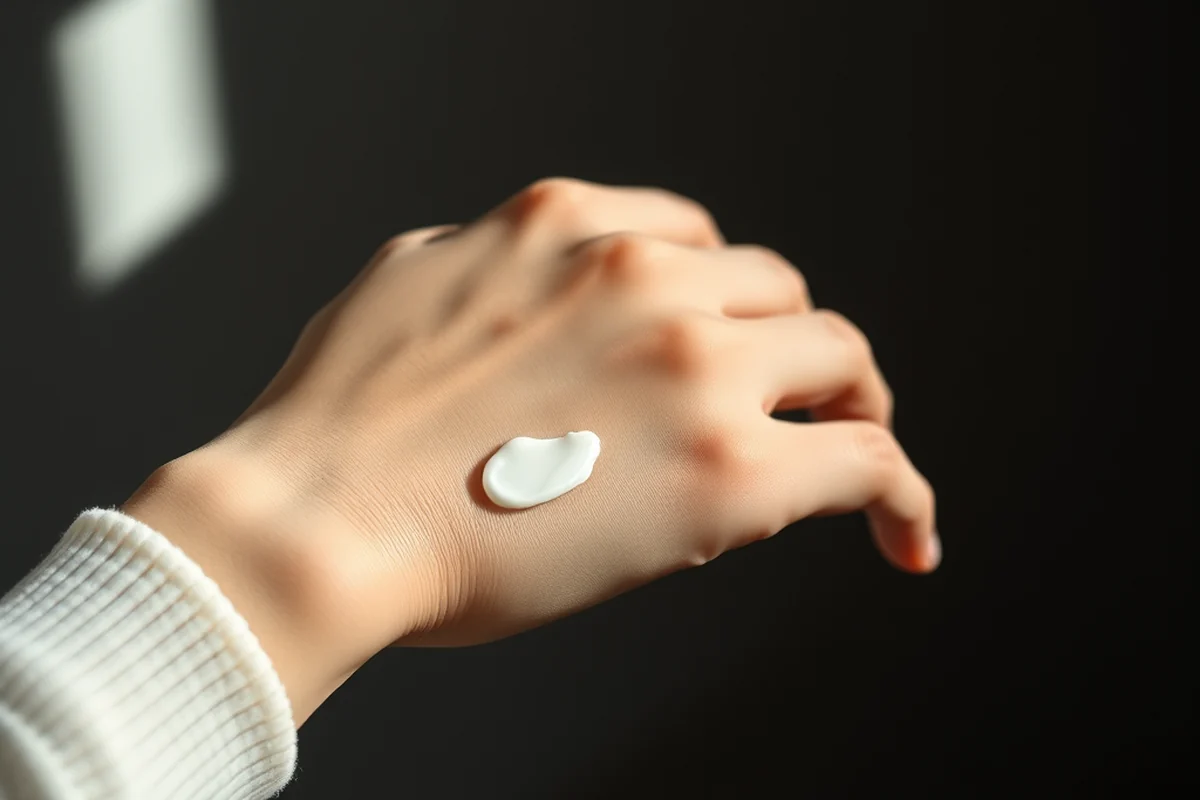
One of the biggest hypoallergenic skincare mistakes I made was not patch testing before applying a new product. I saw a glowing review for a Korean toner with fermented extracts and decided to give it a try. I didn’t wait — I just slapped it on my entire face. Within an hour, I had a red, itchy rash that looked like a fire alarm had gone off on my face.
The reality is that even products labeled as hypoallergenic can cause reactions — especially if you have sensitive skin. I wish I had known that patch testing is not just a precaution, but a necessity. I now test every new product on a small area of my skin (like the inside of my wrist or behind my ear) for at least 24 hours before applying it to my face.[2]
Patch testing can save you from a lot of frustration, time, and money. I now have a small notepad where I write down the products I’ve tested and their results. It’s a small step that has made a big difference in my skincare journey.
Patch test before you apply — your skin will thank you.
Related: Affordable hypoallergenic skincare for men
Related: Top hypoallergenic skincare for men
The All-Inclusive Mistake: Assuming All K-Beauty Products Are Hypoallergenic
Korean skincare is known for its innovation and variety, but not every product is hypoallergenic. I used to buy products based on the hype alone, thinking that anything from a Korean brand would be safe for my sensitive skin. I was wrong. I once bought a sheet mask that contained fragrance and alcohol — and my skin reacted immediately. I had to toss it out and walk away from the store, feeling both defeated and embarrassed.
The lesson here is that while K-Beauty can be a powerhouse for skincare, it's not always gentle. I now look for clear labeling — such as 'hypoallergenic' or 'fragrance-free' — before purchasing. I also read reviews from people with similar skin types to see if they’ve had any issues. It’s a small step, but it can save you from a lot of frustration.
Hypoallergenic skincare is not just a marketing term. It’s a promise — one that you should verify before buying. I now take the time to check the ingredients and ensure that the products I use are truly suitable for my skin.
Always look for 'hypoallergenic' or 'fragrance-free' labels when choosing K-beauty products.
“I remember the first time I tried a hypoallergenic Korean skincare routine — it felt like stepping into a futuristic spa, with products that smelled…”— Hypoallergenic Skincare for Young Adults editors
Related: Cheap hypoallergenic skincare for men
The Overlooked Mistake: Skipping the Sunscreen Step
One of the most common hypoallergenic skincare mistakes I see is people skipping sunscreen — especially those who think their routine is complete with serums and moisturizers. I used to fall into this trap. I thought that as long as my skin was hydrated and calm, I didn’t need sunscreen. I was wrong. My skin started to become more sensitive and prone to breakouts because I wasn’t protecting it from the sun’s harmful rays.
Sunscreen is a non-negotiable step, even in a hypoallergenic skincare routine. I now use a mineral-based, non-comedogenic sunscreen every day, even on cloudy days. It’s the only way to protect my skin from UV damage, which can lead to hyperpigmentation, acne, and premature aging.
Including sunscreen in your routine is not just about protection — it’s about long-term skin health. I now consider it the most important step in my skincare routine, and I don’t skip it on any day, no matter how busy I am.
The Mistake of Ignoring the Skin’s Needs: Not Listening to Your Skin
I used to stick to the same skincare routine no matter what my skin was going through. I would apply the same products, in the same order, every single day, even when my skin felt dry, oily, or irritated. I didn’t realize that my skin was trying to tell me something. One day, after a week of dryness, I finally decided to switch up my routine — and it made all the difference.
Listening to your skin is crucial, especially in a hypoallergenic skincare routine. If your skin is feeling dry, you might need a more hydrating serum or a heavier moisturizer. If it’s oily, you might need a product with more sebum-regulating properties. I now check in with my skin every morning and evening, and I’m more in tune with what it needs.
Adjusting your routine based on your skin’s needs can help prevent long-term issues. I used to think that consistency was the key to success, but now I know that flexibility is just as important. My skin is healthier, and I feel more confident in my skincare choices.
The Mistake of Rushing to Results: Expecting Immediate Changes
I used to think that if I used the right products, I would see changes overnight. I remember buying a serum that promised to 'renew' my skin in just a few days. I used it religiously, but nothing happened. My skin didn’t glow — it didn’t even look better. I was frustrated, and I almost gave up on hypoallergenic skincare altogether.
The truth is, hypoallergenic skincare is not a quick fix. It takes time for your skin to adjust and for the products to work. I now use a serum and moisturizer that are gentle and effective, and I give myself at least four weeks to see changes. It’s not about immediate results — it’s about consistency and patience.
I’ve learned that rushing the process can lead to disappointment. Now, I set realistic expectations and celebrate small victories along the way. My skin is healthier than ever, and I feel more confident in my skincare choices.
Patience is the key to long-term skin health.
The Mistake of Buying in Bulk: Not All Products Are Worth the Investment
I used to get caught up in the excitement of trying new products and would buy a whole set of Korean skincare items in one go. I thought that if I had a variety of products, I could find the right ones for my skin. What I didn’t realize is that not all products are worth the investment. I ended up with a drawer full of unused serums and toners that never worked for me.
The reality is that not all products are worth buying in bulk. I now take a more measured approach. I research products thoroughly and buy only a few at a time. I also read reviews and check for ingredients before making a purchase. It’s a small change, but it has saved me a lot of money and frustration.[3]
I now focus on quality over quantity. I buy products that I know will work for my skin and that I can use regularly. It’s a more sustainable approach, and it has helped me build a skincare routine that’s both effective and affordable.
🌸 Sensitive Skin
A gentle routine with fragrance-free and non-irritating products to keep your skin calm and balanced.
💰 Budget
An affordable routine that focuses on essential products without sacrificing quality or effectiveness.
🧼 Minimalist
A streamlined routine with only the most necessary products, designed for simplicity and efficiency.
🎯 Targeted
A routine tailored to specific concerns like acne, dryness, or sensitivity, with products that address those issues directly.
🛡️ Maintenance
A long-term routine that focuses on protecting and maintaining healthy skin, with a balance of hydration and protection.
| The mistake | Why it happens | The fix |
|---|---|---|
| Using too many products at once. | Overloading your skin with multiple products can cause irritation and even breakouts. | Start with a minimal routine and gradually add new products as your skin adjusts. |
| Skipping patch testing. | Not patch testing can lead to unexpected reactions and wasted money. | Always patch test new products on a small area of skin before applying them to your face. |
| Assuming all K-Beauty products are hypoallergenic. | Not all K-Beauty products are suitable for sensitive skin, even if they’re labeled as such. | Check for clear labeling such as 'hypoallergenic' or 'fragrance-free' and read reviews from people with similar skin types. |
| Ignoring the need for sunscreen. | Skipping sunscreen can lead to long-term skin damage, including hyperpigmentation and premature aging. | Use a mineral-based, non-comedogenic sunscreen every day, even on cloudy days. |
Best Hypoallergenic Korean Skincare Mistakes
Common Questions
Can I use Korean skincare if I have sensitive skin?
How long does it take to see results from a hypoallergenic skincare routine?
What is the best way to layer skincare products?
Are all Korean skincare products expensive?
References
- Learn More - analytics.usa.gov (analytics.usa.gov)
- Nutrition Risk Manual - WIC Colorado (coloradowic.gov)
- Laserfiche WebLink - IIS Windows Server - Davie County (docs.daviecountync.gov)
- your benefits? - Newport News (nnva.gov)
Cite this guide
Hypoallergenic Skincare for Young Adults (2026). Best Hypoallergenic Korean Skincare Mistakes. https://skincertainty.com/best-hypoallergenic-korean-skincare-mistakes/
Feel free to cite or share this guide.
Hypoallergenic Routine Finder
Sorts sensitive skin into a reactivity profile and gives matching hypoallergenic ingredient guidance.
Open it free →