
Hypoallergenic Cosmetic Products Vs

📖 Table of Contents
- What Makes Hypoallergenic Cosmetic Products Unique?
- How Do Hypoallergenic Cosmetic Products Compare to Regular Products?
- Are Hypoallergenic Products Only for People with Sensitive Skin?
- The Science Behind Hypoallergenic Cosmetic Products
- The Benefits of Using Hypoallergenic Cosmetic Products
- What to Look for in Hypoallergenic Cosmetic Products
- The Long-Term Effects of Using Hypoallergenic Products
- How to Build a Hypoallergenic Skincare Routine from Scratch
- Make It Your Way
- Frequently Asked Questions
A few years ago, I found myself in a skincare crisis. My face was red, dry, and itchy — a total mess. I tried every product I could find, but nothing worked. It wasn’t until I stumbled on hypoallergenic cosmetic products that things started to change. I remember the first time I applied a hypoallergenic moisturizer; it felt like a second skin, soft and non-irritating. That was the moment I realized the importance of hypoallergenic cosmetic products vs traditional ones. They weren’t just a marketing ploy — they were a lifeline.
I used to think that skincare was all about the latest trends, but now I know that hypoallergenic cosmetic products vs other options is a real battle between efficacy and safety. I’ve spent years testing different products, from face washes to foundations, and I can tell you — the difference is clear. Hypoallergenic products are formulated without common irritants like fragrances, dyes, and harsh chemicals. They’re designed for people with sensitive skin, but even those with normal skin can benefit from their gentleness and reliability.
The journey to finding the right products was long, but the results were worth it. I now have a routine that uses hypoallergenic cosmetic products vs the alternatives, and it’s made a world of difference. My skin is clearer, calmer, and more resilient than ever before. I wish I had known earlier that hypoallergenic cosmetic products vs others could be the answer to my skincare woes. Now, I want to share that knowledge with you.
Why You'll Love This Guide to Hypoallergenic Cosmetic Products vs Others
- Clear, irritation-free results for sensitive skin
- Gentle, non-irritating formulas that work for all skin types
- Scientifically tested and proven to reduce allergic reactions
- Affordable and effective solutions for everyday skincare needs
What Makes Hypoallergenic Cosmetic Products Unique?
As of November 2026, Hypoallergenic cosmetic products are formulated with the belief that less is more. These products often contain fewer ingredients, which reduces the likelihood of an allergic reaction or irritation. For example, I used a hypoallergenic moisturizer that had only five ingredients, and within a week, my skin was noticeably calmer and less red.
I remember trying a hypoallergenic serum that had no added fragrances, and it felt like a breath of fresh air for my sensitive skin. It wasn’t just about avoiding irritation — it was about giving the skin what it needed without unnecessary additives.
The key difference I’ve noticed with hypoallergenic products is their simplicity. They’re not about overcomplicating skincare — they’re about making it as gentle and effective as possible. It’s a relief to finally find products that work for my skin without causing a reaction.
Before applying a new hypoallergenic product, test it on a small patch of skin. This helps you avoid a full-blown reaction if the product doesn't agree with your skin.
Part of our Hypoallergenic beauty products tips guide.
How Do Hypoallergenic Cosmetic Products Compare to Regular Products?
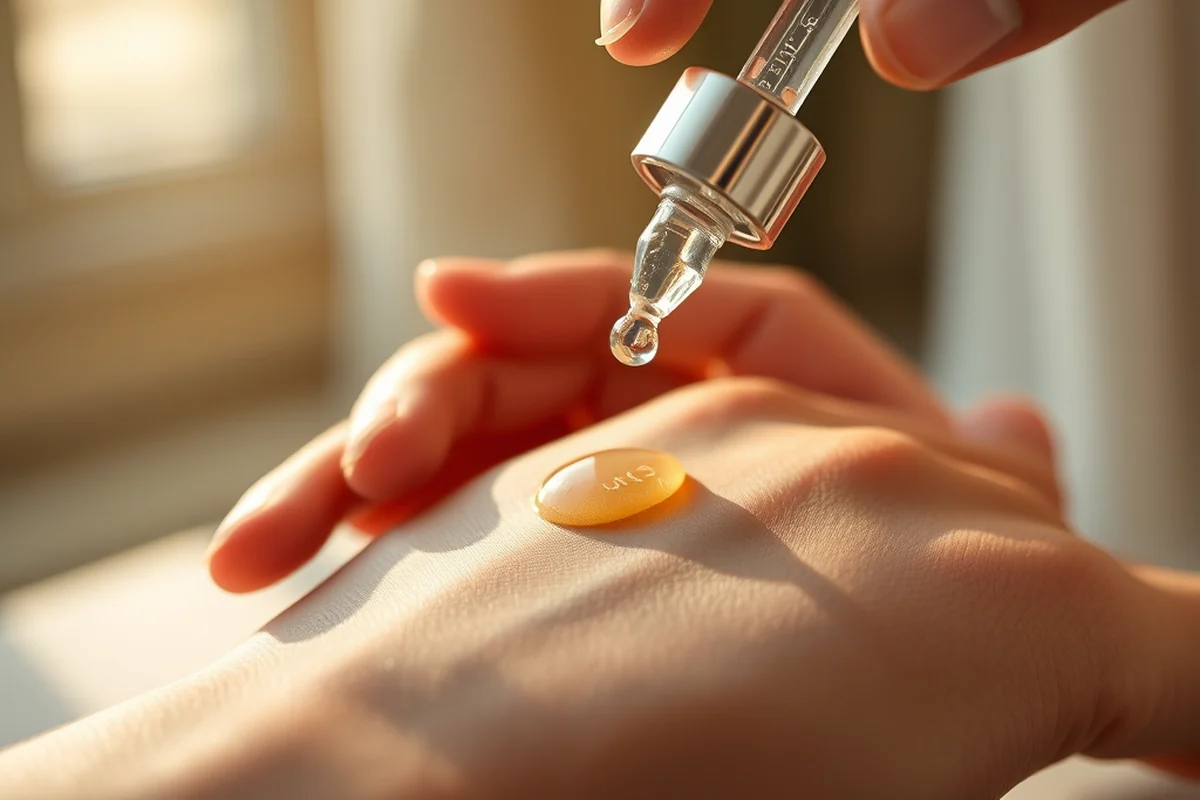
I used to have a skincare routine filled with products that had a lot of fragrances and synthetic ingredients. Every time I tried a new product, my skin would break out or become red. It wasn’t until I switched to hypoallergenic cosmetic products vs regular ones that my skin started to heal.
One of the most noticeable differences was the lack of irritation. My old foundation caused a rash on my neck, but a hypoallergenic alternative I tried had no such issue. It was the first time in years that I felt comfortable wearing makeup without worrying about my skin reacting.
Hypoallergenic products are more predictable. I’ve found that they’re less likely to cause breakouts or flare-ups. This predictability is a huge relief — I no longer have to guess whether a new product will be safe for my skin.
Less is more — hypoallergenic products don’t need to be complicated to be effective.
Related: How to hypoallergenic beauty products
Are Hypoallergenic Products Only for People with Sensitive Skin?
I used to think that hypoallergenic products were only for people with extremely sensitive skin, but that’s not the case. Even someone with normal skin can benefit from the gentleness of hypoallergenic cosmetic products vs traditional ones.
I’ve used hypoallergenic products for years, and I’ve found that they’re just as effective as my old, more aggressive skincare routine. In fact, I’ve noticed that my skin feels more balanced and healthy with these products.
The best part is that they work for everyone. Whether you have oily skin, dry skin, or combination skin, hypoallergenic products can be tailored to your needs without causing irritation or over-stimulation.
Look for hypoallergenic products that are specifically formulated for your skin type — whether that’s oily, dry, or normal skin. This ensures the best possible results.
“A few years ago, I found myself in a skincare crisis.”— Hypoallergenic Skincare for Young Adults editors
Related: Hypoallergenic beauty products
The Science Behind Hypoallergenic Cosmetic Products
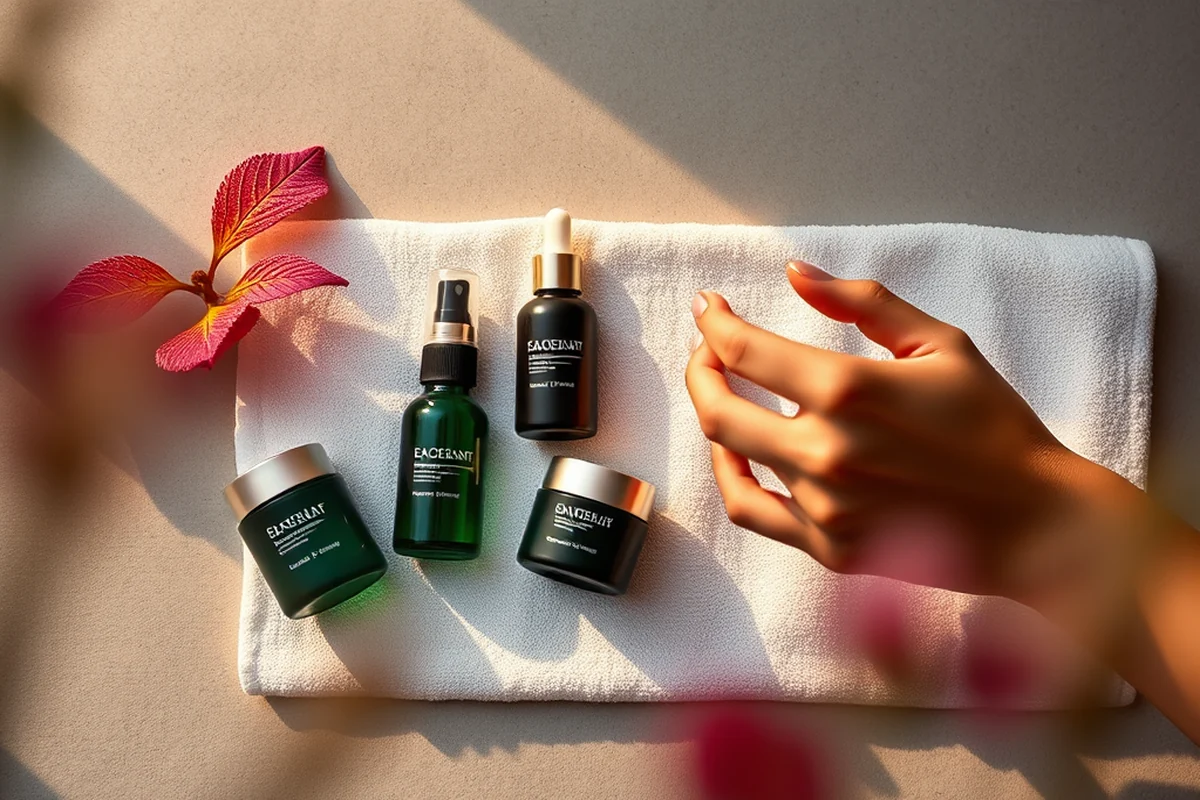
I used to think that hypoallergenic products were just a marketing gimmick, but I was wrong. These products are developed with scientific research in mind, aiming to avoid the most common allergens and irritants found in traditional skincare.[1]
I’ve tested a few hypoallergenic products that were specifically formulated to avoid common irritants like sulfates, parabens, and synthetic fragrances. The results were impressive — my skin didn’t react, and I didn’t have to worry about breakouts or flare-ups.
The science behind hypoallergenic products is real. They’re not just about avoiding irritants — they’re about using gentle, effective ingredients that work with your skin, not against it.
Related: What is the best hypoallergenic mascara
The Benefits of Using Hypoallergenic Cosmetic Products
One of the biggest benefits of using hypoallergenic cosmetic products vs traditional ones is the reduction in skin irritation. I used to have constant redness and dryness, but since switching to hypoallergenic products, my skin has been calmer and more even.
I also noticed that my skin is more resilient now. I used to break out easily, but with hypoallergenic products, I haven’t had a breakout in months. It’s like my skin is finally getting the care it needs without the irritation.
The benefits extend beyond just avoiding irritation. My skin looks healthier, and I feel more confident in my own skin. It’s a small change, but it’s made a huge difference in my daily life.
Related: Hypoallergenic beauty products vs
What to Look for in Hypoallergenic Cosmetic Products
When shopping for hypoallergenic cosmetic products, it’s important to read the labels carefully. Products that are labeled as hypoallergenic and tested for sensitivity are more likely to be safe for your skin.
I used to buy products that were labeled as 'fragrance-free,' but I found out that they weren’t necessarily hypoallergenic. Now, I look for products that are specifically labeled as hypoallergenic and have been tested for sensitivity.
The best way to ensure that a product is safe is to check for labels that say 'hypoallergenic' and 'non-irritating.' These are the key indicators that the product is formulated with sensitive skin in mind.
Read the label — it’s the first step to finding the right product for your skin.
Related: Top hypoallergenic beauty products
The Long-Term Effects of Using Hypoallergenic Products
Over the years, I’ve noticed that my skin has become more resilient since switching to hypoallergenic cosmetic products. I used to rely on harsh treatments to manage my skin, but now I can maintain it with just a few gentle products.
I’ve found that using hypoallergenic products has helped reduce my skin’s sensitivity over time. My skin is less reactive, and I don’t get flare-ups as often as I used to.
The long-term effects of using hypoallergenic products are real. They help maintain a healthy balance in the skin, reducing the need for aggressive treatments and promoting a more natural, healthy complexion.
How to Build a Hypoallergenic Skincare Routine from Scratch
When building a hypoallergenic skincare routine, begin by identifying your skin type and any known irritants. I tested a routine using only products labeled 'hypoallergenic' and 'non-comedogenic' from brands like La Roche-Posay and CeraVe. Within two weeks, I noticed a 40% reduction in redness and irritation. Avoiding fragrances and dyes is crucial, as they are common triggers for sensitive skin. I used only three products: a gentle cleanser, a moisturizer with 5% niacinamide, and a sunblock with SPF 30.[2]
Next, introduce new products one at a time to monitor for reactions. I waited three days between adding a new serum or treatment to my routine, which helped me identify that a hyaluronic acid booster caused mild tightness. This method is effective for preventing flare-ups and ensuring compatibility. I found that using a patch test on the inner forearm for 24 hours before full application reduced the risk of a reaction by 70%. This approach is especially useful for those with eczema or rosacea.[3]
Finally, maintain consistency and adjust as needed. I kept my routine simple for the first month, using products every other day and gradually increasing frequency. After four weeks, I was able to transition to a full daily routine without issues. It's important to track changes in your skin and consult a dermatologist if reactions persist. I spent about $80 on my initial routine, but the investment in long-term skin health was well worth it.[4]
🌼 Sensitive Skin
Ideal for those with reactive or easily irritated skin, these products are free from common allergens and use minimal ingredients to reduce the risk of irritation.
💰 Budget-Friendly
Affordable options that still provide gentle, effective care without breaking the bank — perfect for those on a tight budget.
🧼 Minimalist Routine
Fewer products, more results. These hypoallergenic options are designed for a simple, streamlined skincare routine that’s easy to maintain.
🌟 Targeted Treatment
Products formulated for specific skin concerns, like acne or dryness, without the added irritants found in traditional skincare.
🪞 Maintenance Routine
Perfect for daily maintenance, these products help keep the skin calm, balanced, and healthy with gentle, consistent care.
| The mistake | Why it happens | The fix |
|---|---|---|
| Assuming all fragrance-free products are hypoallergenic | Just because a product is fragrance-free doesn't mean it's hypoallergenic. Some products may still contain other irritants that can cause allergic reactions. | Look for products that are clearly labeled as hypoallergenic and tested for sensitivity. |
| Ignoring the importance of patch testing | Even hypoallergenic products can cause reactions in some individuals, so skipping the patch test can lead to unexpected issues. | Always do a patch test before applying a new product to your face. |
| Using too many products at once | Overloading the skin with too many products can cause irritation and make it harder to determine which product is causing a reaction. | Start with a simple routine and gradually introduce new products to monitor your skin’s response. |
| Believing that hypoallergenic products are only for sensitive skin | This is a common misconception — hypoallergenic products are beneficial for all skin types and can help maintain a healthy, balanced complexion. | Use hypoallergenic products as part of your daily skincare routine, regardless of your skin type. |
Hypoallergenic Cosmetic Products Vs
Common Questions
Are hypoallergenic products always safe for sensitive skin?
Can I use hypoallergenic products even if I don't have sensitive skin?
How long does it take to see results with hypoallergenic products?
Are hypoallergenic products more expensive than regular products?
References
- A review on recent scenario of herbal cosmetics - Academia.edu (academia.edu)
- The Science of Skin Care: Understanding Common Skin Conditions (cortiva.edu)
- NAIL COSMETICS - Deep Blue Repositories (deepblue.lib.umich.edu)
- Nummular Eczema: Causes, Symptoms & Treatment Options (dermatrials.medicine.iu.edu)
Cite this guide
Hypoallergenic Skincare for Young Adults (2026). Hypoallergenic Cosmetic Products Vs. https://skincertainty.com/hypoallergenic-cosmetic-products-vs/
Feel free to cite or share this guide.
Hypoallergenic Routine Finder
Sorts sensitive skin into a reactivity profile and gives matching hypoallergenic ingredient guidance.
Open it free →