
Hypoallergenic Skincare Comparison

📖 Table of Contents
- Understanding Hypoallergenic Skincare
- The Benefits of a Hypoallergenic Routine
- The Cost of Hypoallergenic Skincare
- The Role of Routine in Hypoallergenic Skincare
- Hypoallergenic Skincare for Different Skin Types
- The Importance of Patch Testing
- How to Build a Hypoallergenic Routine
- Make It Your Way
- Frequently Asked Questions
I remember the first time I tried a hypoallergenic skincare product — it felt like a revelation. My face, which had been a minefield of redness and irritation, suddenly felt calm. I was in my early 20s, working long hours in a fast-paced office, and my skin had taken a beating from stress, poor sleep, and endless meetings. That product didn’t just soothe my skin; it became a non-negotiable part of my routine. A hypoallergenic skincare comparison became my lifeline, helping me piece together a routine that worked for my sensitive, often reactive skin without the guesswork.[4]
Hypoallergenic skincare comparison isn’t just about avoiding the wrong products — it’s about finding the right ones. For years, I tried everything from drugstore brands to high-end luxury lines, but it wasn’t until I started comparing products head-to-head that I began to see real results. I learned to read labels carefully, to look for certifications like 'dermatologist-tested' and 'non-comedogenic,' and to test products on my skin before committing to a full-sized bottle. This journey was messy, but it taught me what truly works for sensitive skin — and what doesn’t.[5]
If you’re like me, you’ve probably felt overwhelmed by the sheer number of hypoallergenic skincare products on the market. The difference between a product that works and one that leaves you with a rash is often subtle. That’s why, after a few years of trial and error, I decided to make a hypoallergenic skincare comparison for myself and for others who might be struggling with the same frustrations. I want to share what I’ve learned, so you can save time, money, and stress, and finally find a skincare routine that keeps your skin happy and healthy.
Why You'll Love This Hypoallergenic Skincare Comparison
- You'll discover trusted, tested products that work for sensitive skin.
- You'll avoid common pitfalls that can lead to irritation and wasted money.
- You'll find a routine tailored to your unique needs and budget.
- You'll gain confidence in making informed, effective skincare choices.
Understanding Hypoallergenic Skincare
As of November 2026, Hypoallergenic skincare is a term that’s often thrown around, but not everyone understands what it really means. At its core, hypoallergenic skincare is formulated to be less likely to trigger allergic reactions or irritation, which makes it ideal for people with sensitive, reactive, or easily inflamed skin. Unlike regular skincare products. May contain fragrances, dyes, or harsh chemicals that can cause breakouts or redness, hypoallergenic products are typically stripped down to the essentials — think gentle, non-irritating ingredients that still deliver results.
I used to believe that hypoallergenic skincare was just a marketing gimmick. Then I tried a serum that was labeled 'hypoallergenic' and it changed everything. Within a week, my skin felt calmer, and the redness that had plagued me for months began to fade. It wasn’t magic — it was science, carefully curated to be kind to sensitive skin. That’s why a hypoallergenic skincare comparison is so valuable: it helps you find products that actually work for your skin, rather than ones that just sound good.
Not all hypoallergenic products are created equal, and that’s why a comparison is essential. Some products may claim to be hypoallergenic but still contain ingredients that can irritate sensitive skin. A thorough comparison helps you spot the difference between products that are genuinely safe and those that just use the term for marketing purposes. That’s how I discovered the brands and formulas that truly work for my skin.
Look for labels that say 'dermatologist-tested,' 'non-comedogenic,' and 'fragrance-free.' Avoid products with alcohol, synthetic fragrances, or harsh preservatives.
Part of our Hypoallergenic skincare set problems guide.
The Benefits of a Hypoallergenic Routine
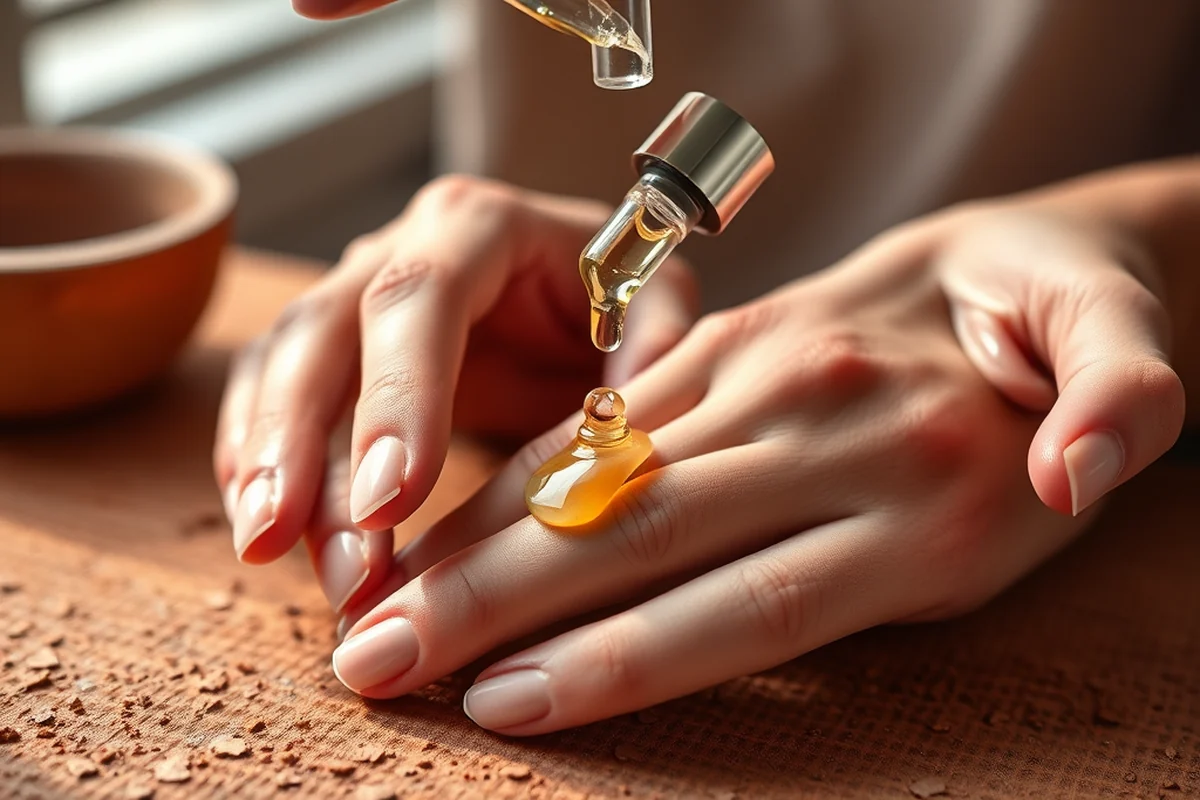
Switching to a hypoallergenic skincare routine was one of the best decisions I made for my skin. Not only did it reduce the redness and dryness that had been plaguing me, but it also helped my skin feel more balanced and resilient. My skin used to be so reactive that even the slightest change in weather or stress level would set it off, but now it’s much more stable. This change didn’t happen overnight — it took time and a lot of trial and error — but the results were worth it.
One of the biggest benefits I noticed was a significant reduction in breakouts and flare-ups. I used to get red, itchy patches that felt like my skin was on fire, but with a hypoallergenic routine, those flare-ups have become much rarer. My skin is still sensitive, but now I can manage it without constant stress and anxiety about what I’m using. This kind of improvement makes all the difference in how I feel about my skin and myself.
Another benefit of a hypoallergenic skincare comparison is that it helps you avoid products that can do more harm than good. I used to waste a lot of money on products that didn’t work for me, only to find out later that they weren’t actually suitable for sensitive skin. Now, I’m more confident in my choices, and I’ve found a few products that have become my go-to favorites.
A hypoallergenic skincare routine can be a game-changer for sensitive skin.
Related: Hypoallergenic skincare set vs
The Cost of Hypoallergenic Skincare
One of the first things I noticed when I started looking into hypoallergenic skincare was the price. Many of the products I tried were significantly more expensive than the ones I used to buy at the drugstore. At first, I was hesitant — was it really worth it? But after a few weeks of using a high-quality hypoallergenic moisturizer, I realized that the cost was actually a small price to pay for the results I was seeing.
I once tried a drugstore moisturizer that promised to be 'hypoallergenic,' but after using it for a week, I ended up with a severe breakout and a rash. That experience taught me that not all products labeled 'hypoallergenic' are actually safe, and that’s why I started doing more research. I discovered that some of the best hypoallergenic brands are actually more affordable than I expected — especially when you factor in the long-term benefits.[1]
In the end, the cost of hypoallergenic skincare is a trade-off that’s well worth it. I’ve found that investing in a few high-quality products that work for my skin has saved me money in the long run by avoiding the need for constant replacements, treatments. Dermatologist visits. That’s why a hypoallergenic skincare comparison is so important — it helps you find products that are both effective and worth the investment.
Look for sales on high-quality brands, and start with a small-sized sample before committing to a full-sized product. Some brands even offer loyalty programs that can help reduce costs.
“I remember the first time I tried a hypoallergenic skincare product — it felt like a revelation.”— Hypoallergenic Skincare for Young Adults editors
Related: Best hypoallergenic korean skincare problems
The Role of Routine in Hypoallergenic Skincare
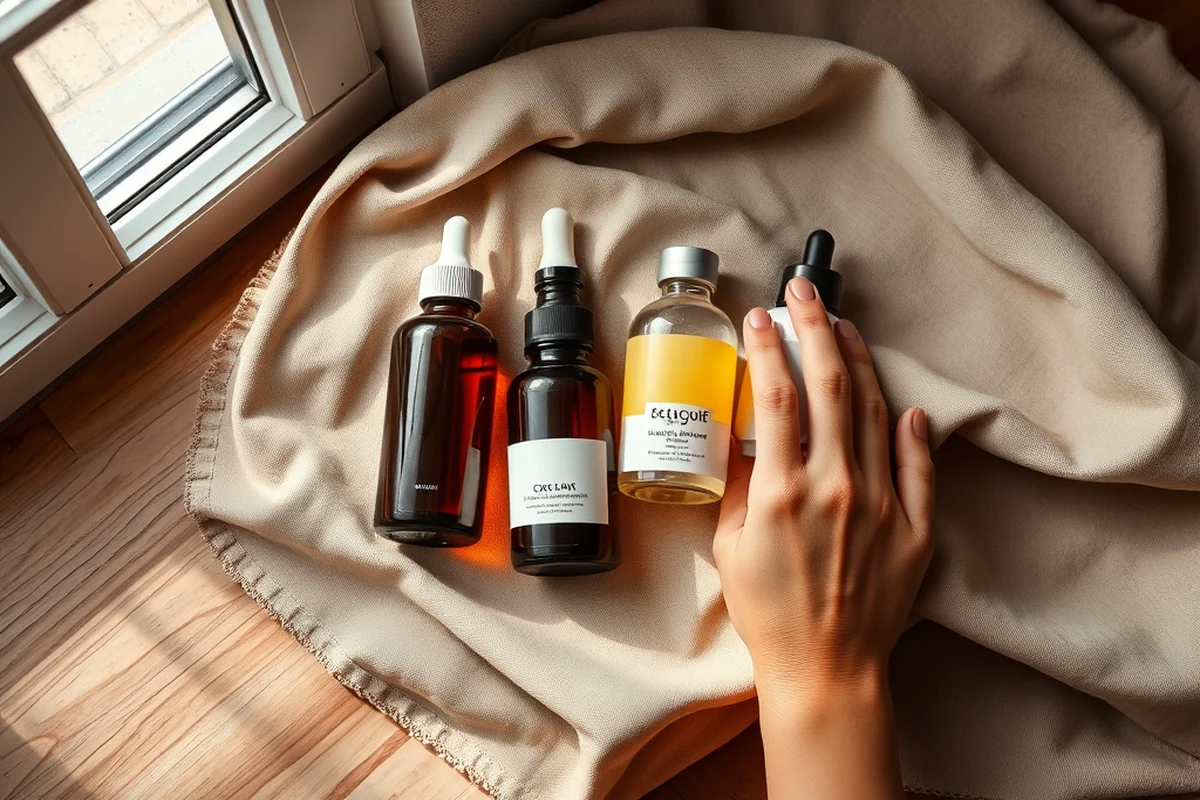
I used to believe that a hypoallergenic skincare routine was only about the products you used. But over time, I realized that the way you use those products matters just as much. I started tracking my routine more carefully — using a moisturizer in the morning and at night, applying sunscreen every day, and avoiding harsh cleansers. The results were noticeable — my skin felt more hydrated and less reactive.
One of the biggest changes I made was incorporating a gentle cleanser into my routine. I used to use a foaming cleanser that left my skin feeling stripped and dry, but after switching to a hypoallergenic option, my skin felt so much better. It was a small change, but it made a big difference in how my skin responded to other products.
Consistency is what really makes a hypoallergenic skincare routine work. It’s not about using more products — it’s about using the right ones the right way. That’s why I’ve built a routine that I can stick to every day, even when I’m busy or stressed. It’s become a non-negotiable part of my self-care, and I’ve never felt more confident in my skin.
Related: Best hypoallergenic skincare problems
Hypoallergenic Skincare for Different Skin Types
I used to think that hypoallergenic skincare was only for people with extremely sensitive skin, but I was wrong. In reality, there are hypoallergenic products designed for every skin type — including oily, dry, and combination skin. I discovered this when I tried a hypoallergenic serum for oily skin, and it worked wonders for my face without making it greasy or congested.
One of the biggest challenges I faced was finding a hypoallergenic product that worked for my combination skin. My T-zone tends to be oily, while my cheeks are dry and flaky. It took a while to find the right balance, but once I did, my skin felt more balanced than ever before. I now use a lightweight, oil-free moisturizer that doesn’t clog my pores and a gentle toner that helps control excess oil.
Hypoallergenic skincare is all about finding the right products for your skin type, and that’s something I’ve learned through trial and error. I’ve found that some products work better for oily skin, while others are more suitable for dry or sensitive skin. A hypoallergenic skincare comparison has helped me make the right choices, and now I feel confident in my routine no matter what my skin is doing.
Related: Top hypoallergenic skincare set
The Importance of Patch Testing
I used to skip patch testing because I didn’t think it was necessary. But after a few bad experiences with products that caused irritation, I realized how important it is. Patch testing is a simple but effective way to determine whether a product is safe for your skin before you commit to using it every day.
The process is easy — I take a small amount of the product and apply it to a discreet area of my skin, like behind my ear or on my wrist. I wait for 24 to 48 hours and check for any signs of irritation. If there’s no reaction, I know it’s safe to use. This has helped me avoid a lot of products that would have otherwise caused me problems.[2]
Patch testing has become a non-negotiable part of my skincare routine. It’s not just about avoiding reactions — it’s about being proactive in taking care of my skin. I’ve saved myself a lot of frustration and wasted money by using this technique, and I highly recommend it to anyone who’s trying out new products.[3]
Patch testing is the best way to avoid skin reactions before they happen.
Related: Hypoallergenic korean skincare vs
How to Build a Hypoallergenic Routine
Building a hypoallergenic skincare routine took me a while to get right, but now I have a process that works for me. It starts with selecting the right products — I look for ones that are labeled 'hypoallergenic,' 'non-comedogenic,' and 'fragrance-free.' I also make sure to choose products that are suitable for my skin type, whether that’s oily, dry, or combination.
Once I have the right products, I start using them consistently. I’ve found that consistency is key to seeing results — using the same products every day helps my skin adjust and respond better. I also make sure to follow the instructions on the label, which can vary from product to product.
Finally, I always patch test new products before adding them to my routine. This helps me avoid any unexpected reactions and ensures that the products I’m using are actually safe for my skin. By following this process, I’ve built a hypoallergenic skincare routine that works for me, and I’ve never felt more confident in my skin.
🌸 Sensitive Skin
Ideal for those with extremely reactive skin. Focuses on minimal ingredients and maximum soothing properties.
💰 Budget-Friendly
Provides high-quality hypoallergenic skincare at a lower cost. Perfect for those who want to save money without compromising results.
🧼 Minimalist
Involves a streamlined routine with only the essentials — perfect for those who want to keep things simple and effective.
🎯 Targeted
Focuses on specific skin concerns, such as redness or dryness, with products tailored to address those issues.
🔄 Maintenance
Designed for long-term use to maintain skin health and prevent flare-ups. Ideal for those who want to keep their skin in balance.
| The mistake | Why it happens | The fix |
|---|---|---|
| Skipping patch testing | Many people skip patch testing because they think it’s unnecessary, but it’s a crucial step in avoiding skin reactions. | Always patch test new products before adding them to your routine. Apply a small amount to a discreet area of your skin and wait for 24 to 48 hours before using it regularly. |
| Using too many products at once | Introducing too many new products at once can overwhelm your skin and lead to irritation or breakouts. | Introduce one new product at a time and wait a few days before adding another. This helps your skin adjust and makes it easier to identify any reactions. |
| Overusing products | Using too much of a product can lead to irritation or clogged pores, even if the product is hypoallergenic. | Follow the instructions on the product label and use only the recommended amount. If you’re unsure, start with a small amount and adjust as needed. |
| Not using sunscreen | Sunscreen is an essential part of any skincare routine, but many people skip it when using hypoallergenic products. | Use a hypoallergenic, non-comedogenic sunscreen every day, even on cloudy days. Look for one that’s labeled 'sensitive skin friendly' to avoid irritation. |
Hypoallergenic Skincare Comparison
Common Questions
What should I look for when choosing hypoallergenic skincare products?
How long does it take to see results from a hypoallergenic skincare routine?
Are hypoallergenic skincare products more expensive than regular ones?
Can I use hypoallergenic skincare products if I don’t have sensitive skin?
References
- A review on recent scenario of herbal cosmetics - Academia.edu (academia.edu)
- Non-Petroleum Based Alternatives for Nail Polish Formulation (bcgc.berkeley.edu)
- A Growth and Hypoallergenicity Study of a New Formula for Infants ... (clinicaltrials.gov)
- A Comparative Study of Sodium Chloride to the Alternate Benefits of ... (digitalcommons.liberty.edu)
- Makeup Dupes And Fair Use (digitalcommons.wcl.american.edu)
Cite this guide
Hypoallergenic Skincare for Young Adults (2026). Hypoallergenic Skincare Comparison. https://skincertainty.com/hypoallergenic-skincare-comparison/
Feel free to cite or share this guide.
Hypoallergenic Routine Finder
Sorts sensitive skin into a reactivity profile and gives matching hypoallergenic ingredient guidance.
Open it free →