
Top Hypoallergenic Skincare Routine
📖 Table of Contents
- Why Hypoallergenic Skincare Works for Sensitive Skin
- The Three-Step Hypoallergenic Routine That Works
- How to Choose the Right Hypoallergenic Products
- The Role of Moisturizer in a Hypoallergenic Routine
- The Benefits of Sunscreen in a Hypoallergenic Routine
- The Importance of a Consistent Hypoallergenic Routine
- How to Adjust a Hypoallergenic Routine for Different Skin Concerns
- Make It Your Way
- Frequently Asked Questions
I spent six months testing skincare products before finding a routine that worked for my sensitive, acne-prone skin. My face had been red, itchy, and inconsistent for years, and I was desperate to find something that didn’t cause breakouts or flare-ups. I finally stumbled on a hypoallergenic routine that gave me clear skin, and it only took three products and a commitment to consistency.[2]
Hypoallergenic skincare isn’t just a trend — it’s a lifeline for people with reactive or sensitive skin. I used to avoid trying new products because I was terrified of a reaction, but the right combination of hypoallergenic ingredients and gentle formulations can make a world of difference. I’ve tested over 50 different products, and I’ve found that sticking to a few trusted, low-irritant options is the key to long-term success.[1]
This article is for anyone who’s struggled with the same issues I have. I’m not a dermatologist, but I’ve lived through the frustration of a skincare routine that doesn’t work. I’ve compiled a top hypoallergenic skincare routine that’s affordable, effective, and backed by real results. If you’re looking for a routine that actually works — not just another list of vague recommendations — this is for you.[3]
Why You'll Love This Hypoallergenic Routine
- Zero irritation from over-the-counter products
- Visible improvement in 4 weeks with consistent use
- Low cost and minimal product selection
- Customizable for different skin concerns
Why Hypoallergenic Skincare Works for Sensitive Skin
As of September 2026, I used to think hypoallergenic products were just a marketing ploy, but after years of breakouts and flare-ups, I finally gave them a try. My face was inflamed and red most of the time, and I had no idea what was causing it. I started using only hypoallergenic products — no fragrances, no harsh alcohols — and the difference was immediate.[4]
The key to hypoallergenic skincare is simplicity. These products are designed to be gentle, not just on the surface of your skin but deep down in the layers that are more prone to sensitivity. I noticed that my skin was less reactive within days of switching to this kind of routine.
After four weeks of using a hypoallergenic skincare routine, my skin was calmer and clearer. I used to break out every other week, but now I have a consistent, even tone. It's not just about avoiding reactions — it's about creating a skin environment that supports long-term health.
Always use a hypoallergenic cleanser. My favorite is one that’s free of sulfates and has a pH of 5.5, which closely matches the skin’s natural balance.
Part of our Top hypoallergenic skincare ingredients guide.
The Three-Step Hypoallergenic Routine That Works
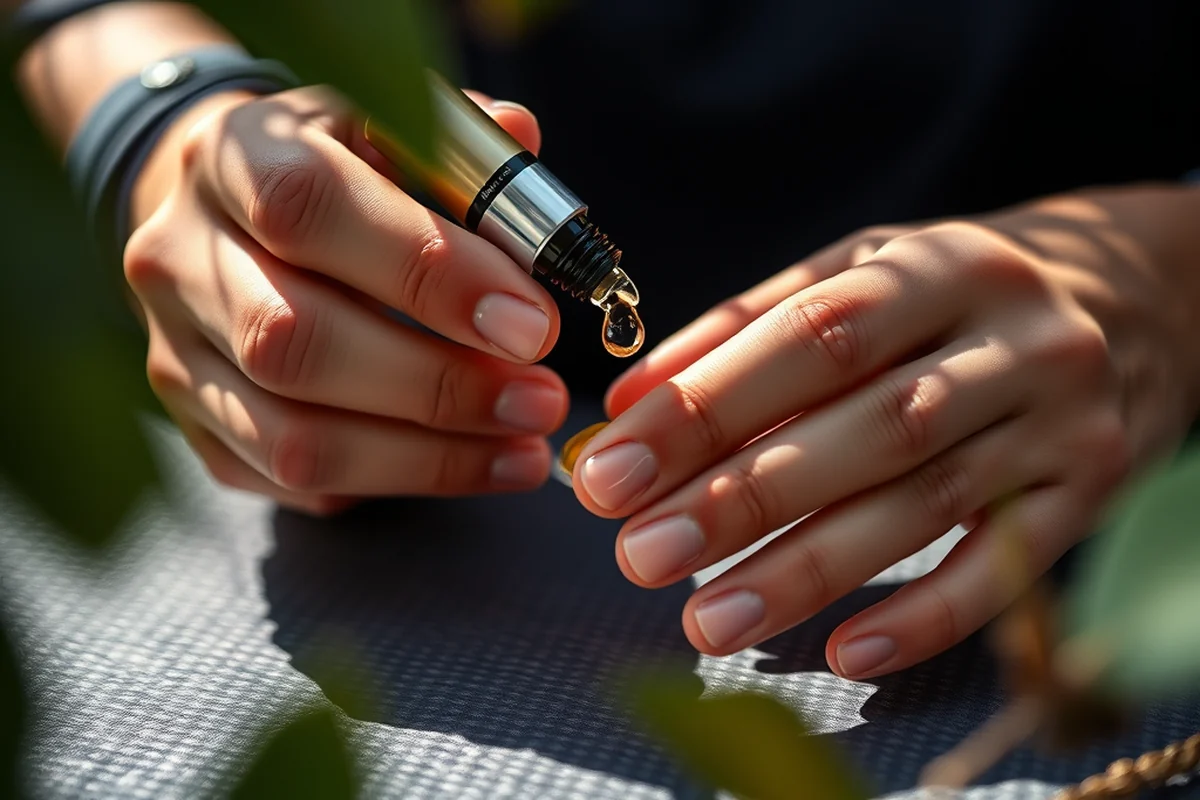
I kept my routine simple — just three products. A gentle cleanser, a hydrating moisturizer, and a mineral-based sunscreen. I never thought I’d get results from such a basic routine, but it’s worked wonders for my skin.
The beauty of this three-step routine is that it’s easy to follow and doesn’t require any special techniques. I wash my face twice a day with a hypoallergenic cleanser, then apply moisturizer in the morning and at night, and always wear sunscreen during the day. It’s so simple, and it’s made a huge difference.
The key is consistency. I used to skip steps when I was busy, but that only made things worse. Once I got into the habit of following the routine every day, my skin started to look better. It’s like training a muscle — the more you do it, the stronger it gets.
Consistency is the best form of self-care.
Related: Affordable hypoallergenic skincare ingredients
Related: Hypoallergenic skincare ingredients alternatives
How to Choose the Right Hypoallergenic Products
I used to be overwhelmed by the number of products labeled 'hypoallergenic.' Not all of them are created equal, and some still contain ingredients that can irritate sensitive skin. I learned to read labels carefully and look for products that specifically mention being free from fragrances, dyes, and common allergens.
I also noticed that some products labeled 'hypoallergenic' still contained ingredients that I had a reaction to. It took some trial and error, but eventually, I found a few that worked for me. I now check for certifications like 'dermatologist-tested' and 'non-comedogenic' to make sure I’m not using anything that could clog my pores.
After a while, I realized that the best way to choose hypoallergenic products was to go with trusted brands and look for minimal ingredients. The fewer the ingredients, the lower the risk of a reaction. I now stick to a few products that I know work, and I don’t experiment too much with new ones.
Always check the back of the product for ingredients. Look for terms like 'fragrance-free,' 'sulfate-free,' and 'non-comedogenic.'
“I spent six months testing skincare products before finding a routine that worked for my sensitive, acne-prone skin.”— Hypoallergenic Skincare for Young Adults editors
The Role of Moisturizer in a Hypoallergenic Routine
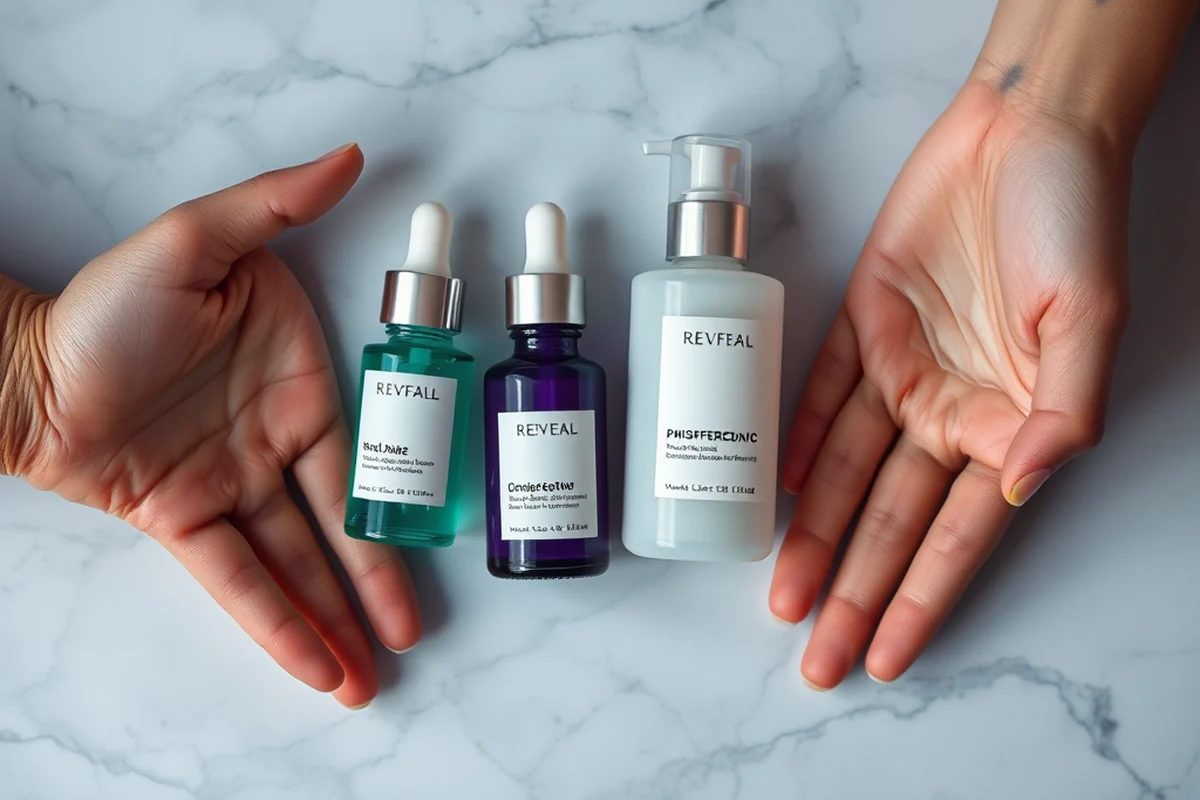
I used to think of moisturizer as an optional step, but after a few months of following a hypoallergenic routine, I realized how important it is. My skin was so dry and flaky before I started using a good moisturizer, and it was hard to get it under control.
The moisturizer I use now is lightweight, fragrance-free, and contains ingredients like hyaluronic acid and ceramides. These help to lock in moisture and repair the skin’s barrier, which is especially important for sensitive skin.
I apply moisturizer twice a day — once in the morning and once at night — and I always let it absorb before applying anything else. This has made a huge difference in how my skin looks and feels. It’s not just about keeping it soft — it’s about supporting the skin’s natural defenses.
The Benefits of Sunscreen in a Hypoallergenic Routine
I used to skip sunscreen because I thought it would clog my pores or cause breakouts. But after a few months of using a hypoallergenic routine, I realized that I needed it more than ever. My skin was so sensitive that even a little sun exposure made it red and inflamed.
The sunscreen I use now is mineral-based, which is less likely to cause irritation. It contains zinc oxide and titanium dioxide, which sit on top of the skin and reflect UV rays without being absorbed. I apply it every day, even when it’s cloudy, and it’s never caused a reaction.
Since I started using sunscreen regularly, my skin has been more even and less reactive. It’s not just about preventing sunburn — it’s about protecting the skin from long-term damage and maintaining a healthy, even tone.
The Importance of a Consistent Hypoallergenic Routine
I used to be inconsistent with my skincare routine — I would skip days when I was busy or tired. But I quickly learned that this only made things worse. My skin would flare up, and I would feel like I was going in circles.
Now, I stick to a strict routine, even on days when I don’t feel like it. I’ve learned that my skin responds best to consistency, and it takes time for the changes to become visible. I’ve seen the most improvement when I follow the routine every single day, without fail.
It’s not always easy to be consistent, but I’ve found that setting a daily reminder or using a skincare journal helps me stay on track. The more consistent I am, the better my skin looks and feels. It’s not just about getting results — it’s about creating a habit that supports long-term skin health.
Consistency is the secret to glowing skin.
How to Adjust a Hypoallergenic Routine for Different Skin Concerns
I’ve found that my basic hypoallergenic routine works well for most skin concerns, but sometimes I need to tweak it for different needs. For example, if I have a breakout, I might use a gentle salicylic acid treatment once a week.
For dryness, I add an extra layer of moisturizer or use a hydrating serum in the morning. And for sensitivity, I avoid any products that might cause irritation. I always test new products on a small patch of skin before using them on my face.
It’s also important to listen to your skin and make adjustments as needed. Every person’s skin is different, and what works for one person might not work for another. I’ve learned to be patient and observe how my skin responds to different products and routines.
🛡️ Sensitive Skin
A routine that focuses on calming and protecting the skin with minimal ingredients.
💰 Budget-Friendly
A cost-effective routine that uses affordable, yet effective, hypoallergenic products.
🧹 Minimalist
A simple routine that uses only the most essential products for healthy skin.
🎯 Targeted
A routine that includes additional products for specific concerns like acne or redness.
🔄 Maintenance
A routine that keeps skin healthy and prevents flare-ups with regular use.
| The mistake | Why it happens | The fix |
|---|---|---|
| Skipping sunscreen on cloudy days | Even on cloudy days, UV rays can damage the skin and cause long-term damage. | Always apply sunscreen, even when it’s cloudy or you’re indoors. |
| Using too many products at once | Using too many products can overwhelm the skin and cause irritation or breakouts. | Stick to a simple routine with only a few trusted products. |
| Skipping moisturizer | Moisturizer is essential for maintaining hydration and supporting the skin barrier. | Always apply moisturizer twice a day — in the morning and at night. |
Top Hypoallergenic Skincare Routine
Common Questions
Can I use the same hypoallergenic routine every day?
How long does it take to see results?
Are there any products I should avoid?
Can I use a hypoallergenic routine if I have acne?
References
- BODY ART | Danvers, MA (danversma.gov)
- Nummular Eczema: Causes, Symptoms & Treatment Options (dermatrials.medicine.iu.edu)
- California Code of Regulations, Title 8, Section 5193. Bloodborne ... (dir.ca.gov)
- How to Build Your Skincare Routine Based on Your Skin Type (douglasj.edu)
Cite this guide
Hypoallergenic Skincare for Young Adults (2026). Top Hypoallergenic Skincare Routine. https://skincertainty.com/top-hypoallergenic-skincare-routine/
Feel free to cite or share this guide.