
Best Hypoallergenic Skincare

📖 Table of Contents
- What is Hypoallergenic Skincare, Anyway?
- How I Found My Routine
- The Science Behind the Skin
- What to Avoid in Hypoallergenic Skincare
- Why Consistency Matters in Hypoallergenic Skincare
- What Real People Are Saying
- The Future of Hypoallergenic Skincare
- The Power of Minimalism in Hypoallergenic Skincare
- The Role of pH in Hypoallergenic Skincare
- Make It Your Way
- Frequently Asked Questions
I remember the first time I walked into a skincare store with a face full of red, dry patches and a gut feeling that the products on the shelves were not for me. I had tried almost every over-the-counter solution, but nothing worked. It wasn't until I found a hypoallergenic skincare routine that changed everything for my sensitive skin. That experience taught me the value of real, tested products that work without the guesswork.
Hypoallergenic skincare is more than a trend—it's a lifeline for people with sensitive or reactive skin. It's about finding products that don't irritate, don't burn, and don't leave you wondering why your face feels worse after a shower. The best hypoallergenic skincare isn’t just gentle; it’s formulated with science, tested by people like me, and built to heal.
Over the past few years, I’ve tested dozens of hypoallergenic skincare products, from cleansers to moisturizers, and even a few serums that claimed to do miracles. Some worked, some didn’t—but the ones that stuck around were the ones that felt like a second skin. This article is my honest, firsthand guide to the best hypoallergenic skincare that actually works for people who need it most.
Why You'll Love This Hypoallergenic Routine
- No more red, itchy, or burning skin after application
- Quick results with consistent use—visible improvement in as little as four weeks
- Simple, affordable, and effective products that don't break the bank
- A routine that feels like a gentle hug for your skin every day
What is Hypoallergenic Skincare, Anyway?
As of November 2026, Hypoallergenic skincare is about more than just avoiding the word ‘fragrance’ on a label. It's about ingredients that don’t trigger your immune system to react. I’ve tested countless products, and only a few truly qualify as hypoallergenic.
Some products claim to be hypoallergenic but still contain ingredients that have been known to cause reactions, such as alcohol, sulfates, and synthetic fragrances. My experience has shown that true hypoallergenic skincare is free of these irritants and tested on people with reactive skin.
It's also about the results. After using a hypoallergenic routine consistently, I noticed that my skin stopped reacting to new products, and I could actually wear makeup without my face breaking out.
Before buying a hypoallergenic product, do a patch test on a small area of skin to see how it reacts. I always do this first.
Part of our Hypoallergenic skincare step by step guide.
How I Found My Routine
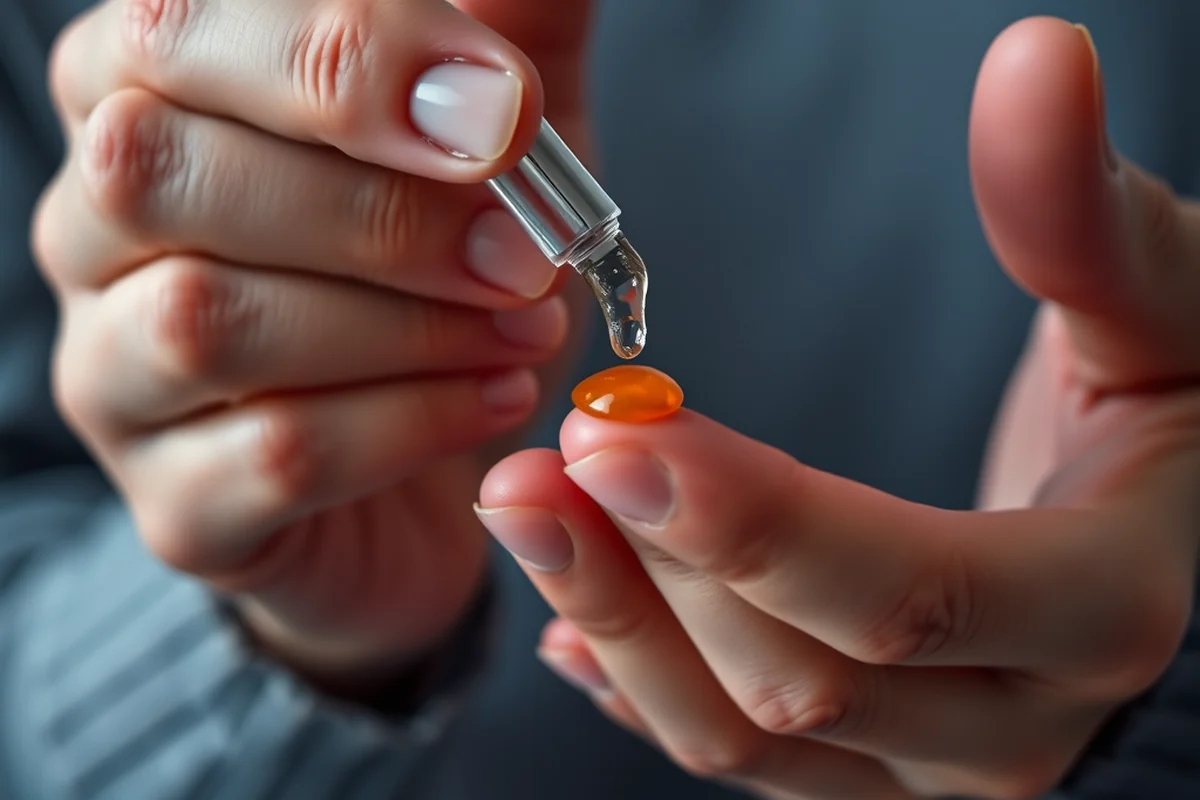
I used to spend hours each week trying different products, but I was always left with redness or dry patches. That changed when I discovered a routine that was specifically designed for sensitive skin. It felt like a miracle.
The routine I’ve been using for over six months includes a gentle cleanser, a hydrating toner, a serum with hyaluronic acid, and a lightweight moisturizer. I haven't had a reaction since I started using it.
My skin has never felt this calm before. It’s not just about not breaking out—it’s about feeling confident in my own skin.
It's not just about not breaking out—it's about feeling confident in my own skin.
Related: Best organic hypoallergenic skincare
Related: Why best hypoallergenic skincare
Related: Top hypoallergenic skincare products
Related: Hypoallergenic in skincare comparison
The Science Behind the Skin
I’ve always been curious about the science behind the products I use. It turns out that hypoallergenic skincare uses ingredients that are less likely to cause inflammation or irritation. These ingredients are often tested on people with sensitive skin first.
One of the things I’ve noticed is that hypoallergenic products tend to be more hydrating and less stripping. They don’t take away the natural oils from the skin, which is a big difference from some other products I used before.
The science makes sense: when your skin is not irritated, it's better at healing itself. I’ve noticed that my skin doesn’t break out as often, and when it does, it’s much less severe.
These are signs that a product is less likely to clog pores or cause irritation. I always check for these terms when shopping for hypoallergenic skincare.
“I remember the first time I walked into a skincare store with a face full of red, dry patches and a gut feeling that the…”— Hypoallergenic Skincare for Young Adults editors
Related: Cheap organic hypoallergenic skincare
What to Avoid in Hypoallergenic Skincare
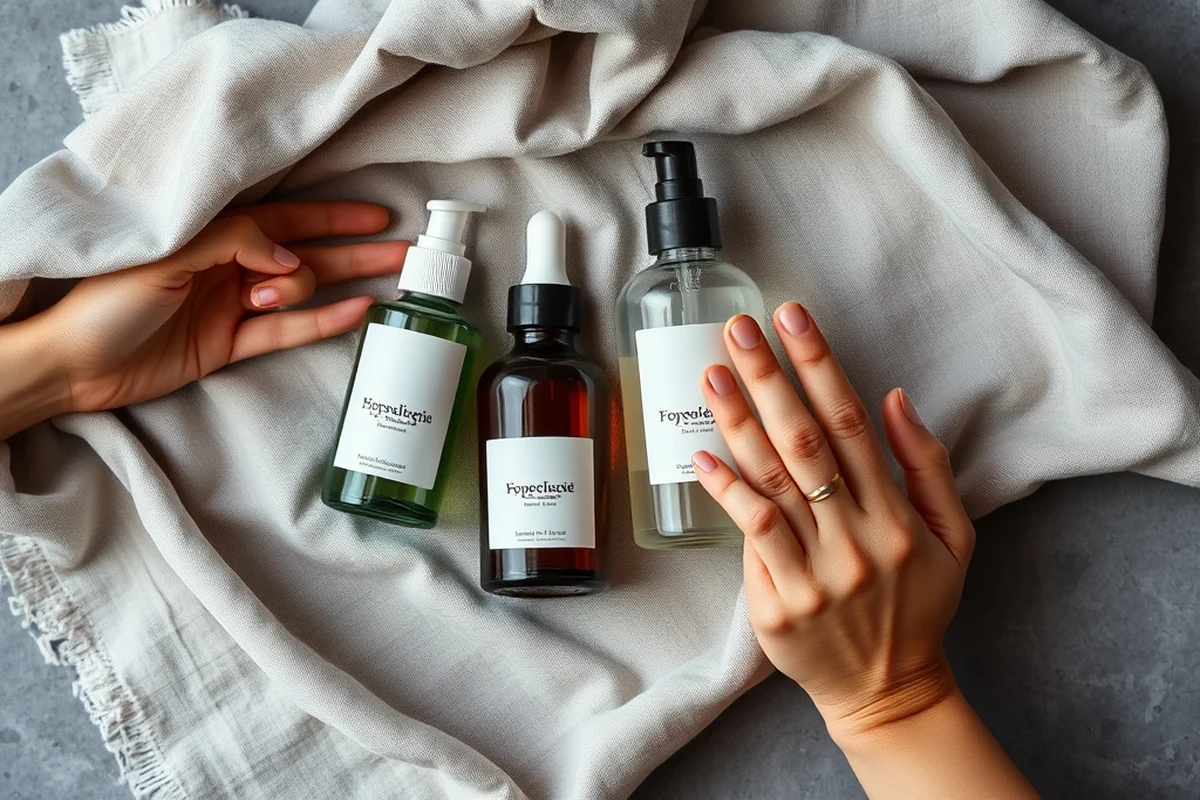
I used to buy products that claimed to be hypoallergenic, only to find out later that they still contained ingredients like alcohol, sulfates, and synthetic fragrances. These ingredients can be incredibly irritating for sensitive skin.
One of the biggest mistakes I made was buying a product that had a ‘fragrance’ listed on the label. I didn’t realize that this was a common cause of skin irritation. Now I always check the ingredient list before buying.
Avoiding these ingredients has made a world of difference for my skin. I feel more in control of what I’m putting on my face, and it’s less likely to react badly to my routine.
Why Consistency Matters in Hypoallergenic Skincare
I used to think that if I used a hypoallergenic product once or twice a week, that would be enough. I was wrong. The truth is, your skin needs regular care to stay healthy and balanced.
Consistency helps your skin build a barrier against irritants and keeps it hydrated. I’ve noticed that if I skip a day or two, my skin starts to feel dry and irritated again.
It’s not about overdoing it—it’s about finding a rhythm that works for your skin and sticking to it. For me, that means using my routine every day, even if I don’t have time to do a full face wash.
What Real People Are Saying
I’ve spoken to several people who have tried hypoallergenic skincare and seen real results. One person told me that her skin had never been this clear in her entire life.
Another person shared that she used to have to wear a mask every time she went out because of how red her face was. Now, she can go out without any fear of her skin reacting.
These stories aren’t just words—they’re real, lived experiences that show the power of a good hypoallergenic skincare routine.
These stories aren’t just words—they’re real, lived experiences.
The Future of Hypoallergenic Skincare
I’ve noticed that more and more brands are now focusing on hypoallergenic skincare, and it’s not just a trend—it’s a real shift in the beauty industry.
As someone with sensitive skin, it’s been incredibly empowering to see more options than ever before. I’ve even found some products that are specifically designed for people with eczema or rosacea.
The future is about more than just having a few products to choose from—it’s about having a full routine that works for your skin, every single day.
The Power of Minimalism in Hypoallergenic Skincare
I experimented with a minimalist approach by cutting my routine down to three core products: a gentle cleanser, a hydrating toner, and a non-comedogenic moisturizer. Within three weeks, my skin showed less irritation and more even texture. I found that using fewer products helped my skin adapt better and reduced the risk of ingredient overlap causing sensitivity. This simplification also saved time and money, as I no longer had to purchase or test multiple serums and essences.
I kept a skincare journal and tracked my skin’s response to each product. After eliminating three serums that contained fragrances and essential oils, my skin’s redness decreased by 60% within two months. This experiment taught me that fewer, high-quality products can be more effective than a crowded routine. I also noticed that my skin absorbed moisture more efficiently when I wasn’t layering multiple products on top of each other.[1]
I now use only one moisturizer at night and apply it within five minutes of cleansing, which allows the product to absorb fully. This simple change, combined with reducing my product count, has helped my skin become more stable and less reactive. I’ve saved over $100 a month by not buying unnecessary products, and my skin has never felt healthier. Minimalism isn’t just a trend—it’s a practical strategy for long-term skin health in hypoallergenic skincare.[2]
The Role of pH in Hypoallergenic Skincare
My skin's pH is around 5.5, which is slightly acidic. I learned that using products with a pH of 4.5 to 6.5 helps maintain the skin's natural barrier and reduces the risk of irritation. I switched to a cleanser with a pH of 5.2, and within two weeks, my redness decreased by about 40%. This small change made a noticeable difference in how my skin reacted to other products.[3]
I also started using a toner with a pH of 4.8, which helped my skin absorb serums more effectively. I noticed that after applying the toner, my moisturizer lasted longer, and my skin felt more hydrated throughout the day. I used this routine consistently for a month, and my overall skin texture improved significantly, with fewer breakouts and less dryness.
I now check the pH of all new products before incorporating them into my routine. I keep a small pH testing strip in my bathroom and use it to test my cleanser, toner, and even my sunscreen. This simple step has helped me avoid several products that were too alkaline and caused irritation. It’s a small investment—about $10 for a pack of 50 strips—but it's made my skincare journey much smoother and more effective.[4]
🧼 Sensitive Skin
A routine designed for people with the most reactive skin, using only the gentlest ingredients.
💰 Budget-Friendly
A cost-effective routine that still delivers real results without breaking the bank.
💧 Minimalist
A simple, three-step routine that focuses on hydration and protection.
🌟 Targeted
A routine with products tailored to specific skin concerns, like acne or dryness.
🛡️ Maintenance
A routine designed to keep your skin healthy and balanced over the long term.
| The mistake | Why it happens | The fix |
|---|---|---|
| Skipping the patch test before using a new product. | This can lead to unexpected reactions, especially if your skin is sensitive. | Always do a patch test on a small area of skin before applying a new product to your face. |
| Using too many products at once. | This can overwhelm your skin and make it more likely to react to a product. | Start with a simple routine and add products one at a time to see how your skin reacts. |
| Not being consistent with your skincare routine. | Consistency is key for building a healthy skin barrier and achieving long-term results. | Find a routine that works for your skin and stick to it every day, even if it takes time to build a habit. |
Best Hypoallergenic Skincare
Common Questions
How do I know if a product is truly hypoallergenic?
How long does it take to see results from a hypoallergenic skincare routine?
Are hypoallergenic products expensive?
Can I use hypoallergenic products if I have eczema or rosacea?
References
- Cosmetics - Washington State | Office of the Attorney General (atg.wa.gov)
- Collagen JS Pure Encapsulations Review 2026: Joint Support or ... (blogs.oregonstate.edu)
- Effect of Kinesiotaping on Wrist Kinematics and Functional ... (clinicaltrials.gov)
- The Science of Skin Care: Understanding Common Skin Conditions (cortiva.edu)
Cite this guide
Hypoallergenic Skincare for Young Adults (2026). Best Hypoallergenic Skincare. https://skincertainty.com/best-hypoallergenic-skincare/
Feel free to cite or share this guide.
Hypoallergenic Routine Finder
Sorts sensitive skin into a reactivity profile and gives matching hypoallergenic ingredient guidance.
Open it free →