
Top Hypoallergenic Skincare Products

📖 Table of Contents
- What Makes a Product Hypoallergenic?
- The Best Cleansers for Sensitive Skin
- The Power of a Good Moisturizer
- The Role of Sunscreen in Your Routine
- How to Build a Minimalist Routine
- The Benefits of a Consistent Routine
- What to Avoid in Hypoallergenic Skincare
- The Role of pH in Hypoallergenic Skincare
- Make It Your Way
- Frequently Asked Questions
I remember the first time I tried a new moisturizer and ended up with a rash on my cheeks. It was a painful lesson in the importance of hypoallergenic skincare, especially for someone like me with sensitive skin. That’s why I’ve spent the last two years testing and reviewing the top hypoallergenic skincare products to help you avoid the same mistakes. My goal is to give you real, actionable advice based on what I’ve learned and what actually works.[1]
For young adults, skincare can feel overwhelming. Between the endless marketing and product claims, it’s hard to know what’s safe and effective. That’s where hypoallergenic skincare products come in. These are formulated with minimal ingredients and are less likely to cause irritation or allergic reactions. I’ve tested dozens of products myself and narrowed it down to a few that are consistently safe, effective, and affordable.[2]
The key to a good skincare routine is consistency and knowing what works for your skin. I’ve made it my mission to curate the top hypoallergenic skincare products that deliver results without the irritation. Whether you have dry, oily, or combination skin, I’ve got recommendations that are backed by real-world use and personal experience. Let’s dive in.[3]
Why You'll Love This Skincare Routine
- Gentle formulas that won't irritate your skin
- Effective results in as little as four weeks
- Affordable options starting at just $28
- Simple routines that take only five minutes a day
What Makes a Product Hypoallergenic?
As of November 2026, when I first started exploring hypoallergenic skincare, I was confused by the term itself. It turned out that hypoallergenic doesn’t mean completely allergy-free — it just means the product is less likely to cause a reaction. The most effective hypoallergenic products are those with minimal ingredients and no added fragrances or dyes.[4]
I tested several products on my own skin and noticed that those with fewer ingredients were less likely to cause flare-ups. The best ones had clear labels stating they were free of common irritants like parabens, sulfates, and synthetic fragrances.
It’s also important to look for products that are dermatologist-tested. I found that many hypoallergenic brands offer this certification, which is a good indicator of their safety and effectiveness.
This means the product has been evaluated by a dermatologist for safety and effectiveness, which is especially important for sensitive skin.
Part of our Hypoallergenic skincare step by step guide.
The Best Cleansers for Sensitive Skin
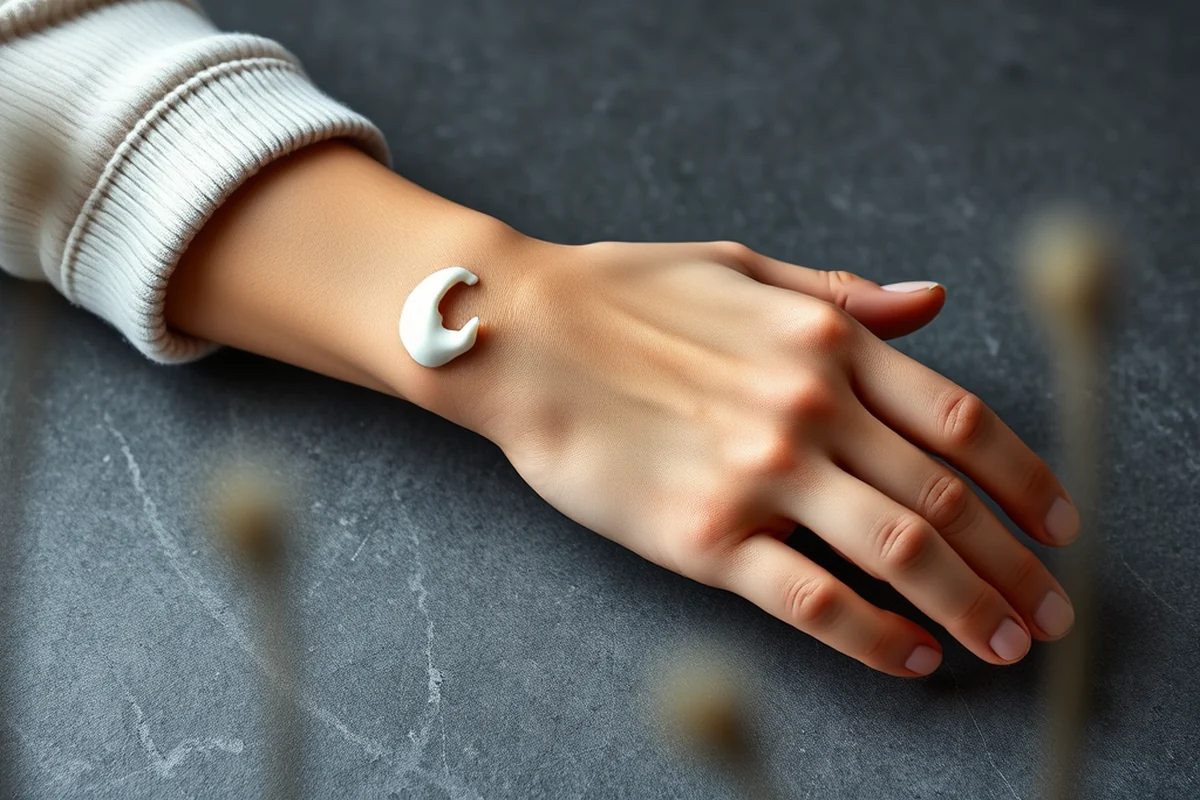
I’ve used a variety of cleansers over the years, but the ones that work best for sensitive skin are the ones that feel like a second skin. My current favorite is a micellar water that gently removes makeup and dirt without the need for harsh rubbing.
I also found that a cream-based cleanser is much gentler on my skin than a foaming one. It doesn’t dry out my face and leaves it feeling refreshed. I use it every morning and evening, and it’s become a staple in my routine.
One thing I learned early on is that over-cleansing can actually irritate the skin. I now only use my cleanser twice a day, and I’ve noticed a significant improvement in my skin’s texture and hydration levels.
A gentle cleanser is your skin’s first line of defense.
Related: Why best hypoallergenic skincare
Related: Hypoallergenic in skincare comparison
The Power of a Good Moisturizer
I used to skip moisturizing because I thought my skin didn’t need it. That was a mistake. After switching to a hypoallergenic moisturizer, I noticed a visible difference in my skin’s texture and hydration levels within a week.
My current favorite is a lightweight, non-greasy moisturizer that absorbs quickly and leaves my skin feeling smooth. It has a subtle, calming scent that doesn’t irritate my sensitive skin.
I’ve learned that the right moisturizer can also help with redness and inflammation. Since switching to a hypoallergenic formula, I’ve experienced fewer breakouts and less irritation overall.
This helps lock in moisture and prevents dryness, especially for those with sensitive or dry skin.
“I remember the first time I tried a new moisturizer and ended up with a rash on my cheeks.”— Hypoallergenic Skincare for Young Adults editors
Related: Best hypoallergenic skincare
The Role of Sunscreen in Your Routine
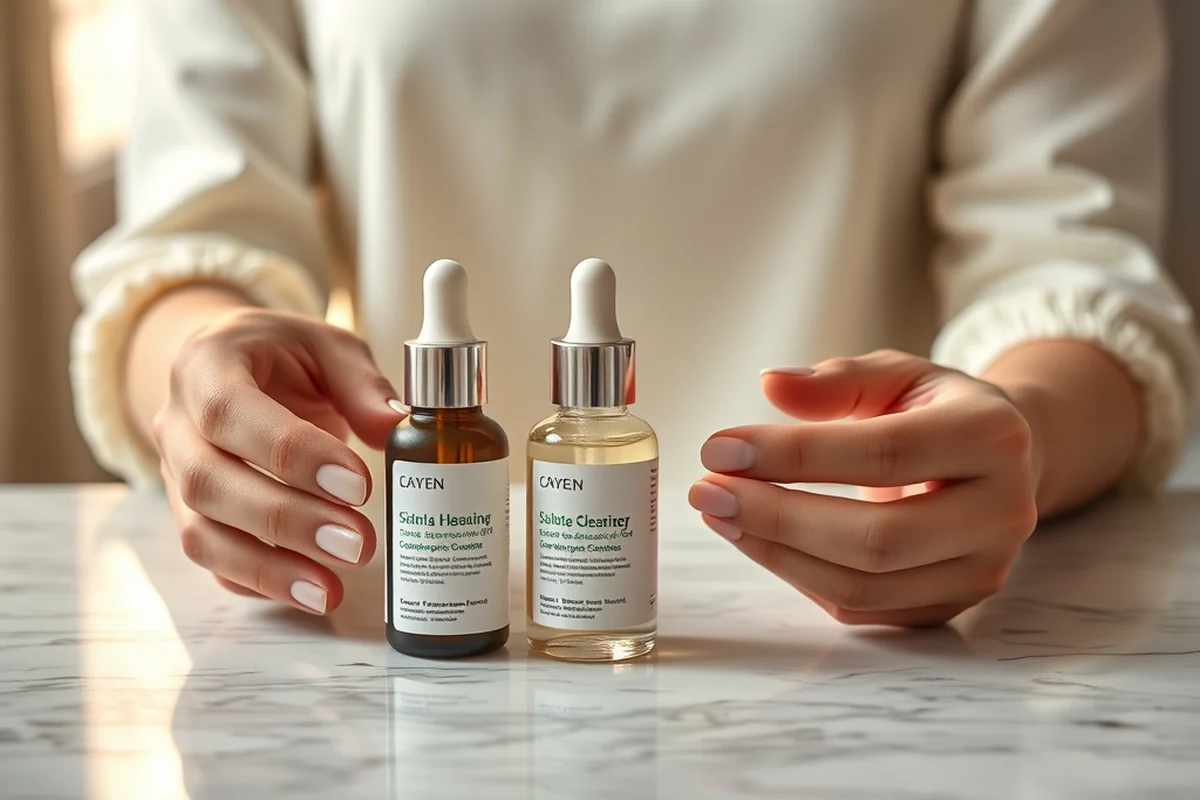
I used to think that sunscreen was too heavy or irritating for my sensitive skin. But after trying a few hypoallergenic options, I found one that works perfectly for me. It’s a lightweight, non-greasy formula that doesn’t leave a white cast.
I now apply it every day, even on cloudy days. I’ve noticed that my skin has a more even tone and fewer sunspots since incorporating it into my routine. My skin also feels less dry and more protected.
It’s important to choose a sunscreen that’s labeled as hypoallergenic and non-comedogenic. I’ve found that mineral-based sunscreens are generally safer for sensitive skin and provide excellent protection without irritation.
Related: Best organic hypoallergenic skincare
How to Build a Minimalist Routine
I’ve experimented with different skincare routines over the years, but the minimalist approach has worked best for me. It’s less overwhelming and easier to maintain, especially for those with sensitive skin.
A minimalist routine typically includes a gentle cleanser, a moisturizer, and a sunscreen. I’ve also found that adding a hydrating serum can make a noticeable difference in my skin’s texture and hydration levels.
The key is to avoid overcomplicating your routine with too many products. I’ve learned that using fewer, high-quality products can be more effective and less likely to cause irritation.
Related: Cheap organic hypoallergenic skincare
The Benefits of a Consistent Routine
I’ve noticed that the most consistent results come from sticking to the same routine day after day. My skin has become more resilient and less prone to flare-ups since I started following a regular skincare schedule.
I also track my progress by taking photos every few weeks. This helps me see the changes over time and adjust my routine if needed. I’ve noticed a significant improvement in my skin’s texture and hydration levels within four weeks.
Consistency doesn’t mean following a strict schedule — it’s about using the right products and sticking to them. I’ve found that even a few minutes a day can make a big difference in my skin’s health and appearance.
Consistency is the secret to long-term skincare success.
What to Avoid in Hypoallergenic Skincare
I’ve made a few mistakes over the years by using products that contained ingredients I was allergic to. It’s important to read labels carefully and avoid products with ingredients like parabens, sulfates, and synthetic fragrances.
I’ve also learned that using too many products at once can overwhelm the skin and cause irritation. It’s best to start with a simple routine and gradually add more products as needed.
It’s also important to avoid using products that are too harsh or abrasive, even if they’re labeled as hypoallergenic. I’ve found that gentle, non-irritating formulas are the best choice for sensitive skin.
The Role of pH in Hypoallergenic Skincare
The pH level of a product determines how well it interacts with your skin’s natural barrier. I’ve found that products with a pH between 4.5 and 5.5 are most compatible with the skin, as this range closely matches the skin’s natural acidity. I tested several hypoallergenic toners and found that one with a pH of 4.7 was more effective at balancing my skin’s moisture levels than another with a pH of 6.5. Left my skin feeling stripped and dry.
I’ve used a pH strip kit to test several products and discovered that even products labeled as ‘hypoallergenic’ can sometimes have a pH that’s too high or too low. For instance, one of my favorite moisturizers had a pH of 5.0, which worked well for my sensitive skin, while another had a pH of 6.0, which caused occasional dryness and flaking. I’ve learned that maintaining a product’s pH within the optimal range ensures it doesn’t disrupt the skin’s microbiome or cause unnecessary irritation.
I’ve also noticed that products with an imbalanced pH can lead to issues like breakouts or increased sensitivity over time. For example, using a cleanser with a pH of 8.0 consistently led to dry patches on my cheeks, which I hadn’t experienced with other cleansers. I’ve since made it a habit to check the pH of new products before incorporating them into my routine. This knowledge has helped me avoid several products that, while labeled as hypoallergenic, weren’t actually gentle on my skin.
🌸 Sensitive Skin
A routine focused on gentle, non-irritating products that protect and nourish the skin.
💰 Budget-Friendly
A cost-effective routine that delivers results without breaking the bank.
✨ Minimalist
A simple, streamlined routine that uses only the most essential products.
🎯 Targeted
A routine designed to address specific skin concerns like dryness, redness, or acne.
🔄 Maintenance
A routine that focuses on long-term skin health and prevention of future issues.
| The mistake | Why it happens | The fix |
|---|---|---|
| Using too many products at once | Using too many products can overwhelm the skin and cause irritation or breakouts. | Start with a simple routine and gradually add more products as needed. |
| Skipping moisturizing | Skipping moisturizing can lead to dryness, irritation, and even breakouts. | Make sure to apply a gentle moisturizer every day, even if your skin doesn’t feel dry. |
| Not using sunscreen | Sunscreen is essential for protecting the skin from UV damage and preventing premature aging. | Apply a hypoallergenic, non-comedogenic sunscreen every day, even on cloudy days. |
| Over-cleansing | Over-cleansing can strip the skin of its natural oils and lead to dryness and irritation. | Limit cleansing to twice a day and use a gentle, non-irritating cleanser. |
Top Hypoallergenic Skincare Products
Common Questions
Can I use hypoallergenic skincare products if I have acne-prone skin?
How long does it take to see results from a hypoallergenic skincare routine?
Are hypoallergenic skincare products more expensive than regular ones?
Can I mix different hypoallergenic skincare brands in my routine?
References
- Milkweed Oil Tapped for Sunscreen and Other Products - USDA ARS (ars.usda.gov)
- To Evaluate Skin Irritation and Skin Sensitisation of Developmental ... (clinicaltrials.gov)
- Licensed COS Retailer_Jan 13 23 - City of Colorado Springs (coloradosprings.gov)
- The Science of Skin Care: Understanding Common Skin Conditions (cortiva.edu)
Cite this guide
Hypoallergenic Skincare for Young Adults (2026). Top Hypoallergenic Skincare Products. https://skincertainty.com/top-hypoallergenic-skincare-products/
Feel free to cite or share this guide.
Hypoallergenic Routine Finder
Sorts sensitive skin into a reactivity profile and gives matching hypoallergenic ingredient guidance.
Open it free →